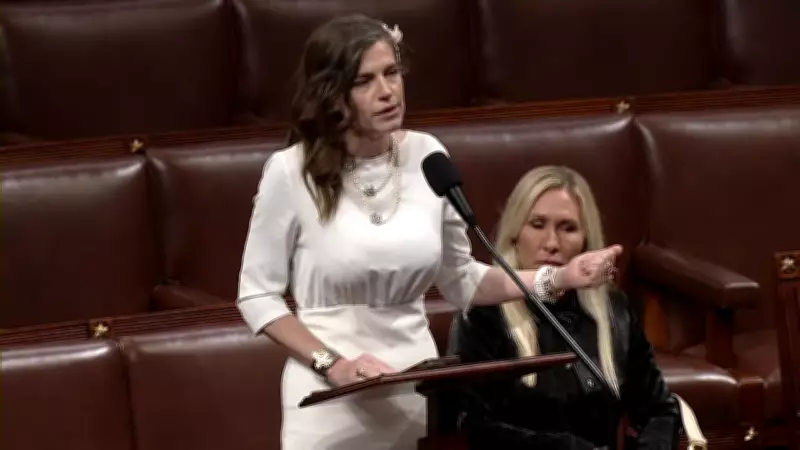
US Congresswoman Introduces Legislation to Authorize Death Penalty for Child Rapists
US Congresswoman Nancy Mace has introduced a groundbreaking bill that would permit the federal government to impose the death penalty on individuals convicted of raping or sexually assaulting children. The proposed legislation, officially titled the Death Penalty for Child Rapists Act, aims to broaden the eligibility for capital punishment under several federal child sex crime statutes and within the Uniform Code of Military Justice.
Zero Mercy for Predators
In a strongly worded statement, Mace declared, "We have zero mercy for child rapists. Those who prey on our most vulnerable deserve the harshest consequences we can deliver. No predator should be allowed to walk away from the most unthinkable crimes against children." This bill is part of her broader initiative to enhance accountability for sexual abuse crimes, which includes her previous advocacy for transparency in the Jeffrey Epstein case and calls for consequences for those involved with the convicted sex trafficker.
Legal Amendments and Scope
The legislation proposes amendments to Title 18 of the U.S. Code to authorize capital punishment for specific offenses, including:
- Aggravated sexual abuse of a child
- Sexual abuse of a minor
- Abusive sexual contact involving a child
Additionally, it would apply to child rape offenses prosecuted under the military justice system, ensuring a comprehensive approach across federal and military jurisdictions.
Potential Legal and Political Challenges
This bill is anticipated to face significant legal and political scrutiny. A key obstacle is the Supreme Court's 2008 ruling, which determined that imposing the death penalty for the rape of a child, where the victim does not die, violates the Eighth Amendment's prohibition against cruel and unusual punishment. Mace did not address this precedent in her announcement, leaving questions about how the legislation might navigate this legal hurdle.
Furthermore, it remains unclear whether the measure has garnered support from House GOP leadership or if companion legislation will be introduced in the Senate. The proposal is likely to spark intense debate among lawmakers, legal experts, and advocacy groups regarding its constitutionality and ethical implications.
As this story develops, stakeholders will closely monitor the bill's progress through Congress and its potential impact on federal crime policies. The introduction of such legislation highlights ongoing efforts to strengthen penalties for heinous crimes against children, reflecting a contentious yet pivotal moment in U.S. criminal justice reform.