The National Human Rights Commission has disclosed a staggering 406,088 human rights complaints received during October 2025, painting a grim picture of rights violations across Nigeria.
Alarming Statistics on Rights Violations
Presenting the Human Rights Situation Dashboard in Abuja on Monday, the commission's Executive Secretary, Dr. Tony Ojukwu (SAN), revealed that beyond the massive complaint numbers, they also monitored over 160 incidents of rights violations nationwide. The data shows that Abuja, Benue and Borno states are leading in the disturbing trend of child rights abuses.
"These are not mere statistics; they are Nigerian mothers, fathers, and children whose dignity has been violated," Ojukwu emphasized during the presentation. He made an urgent appeal for both government and community intervention to safeguard vulnerable populations across the country.
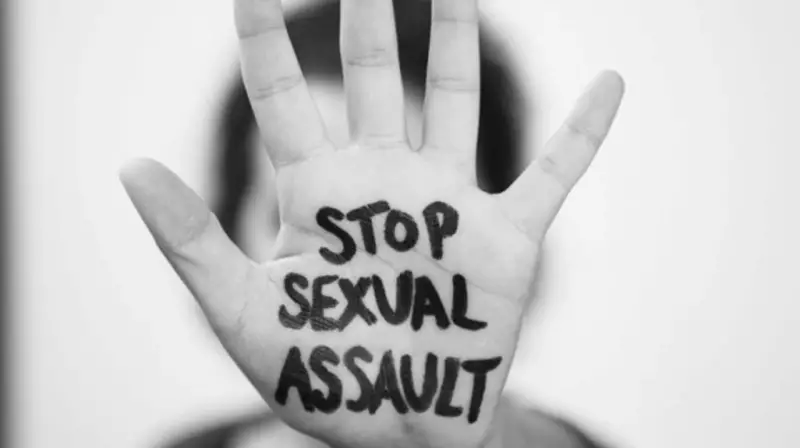
Disturbing Cases of Sexual Violence
The October report documented several horrifying cases of rape and sexual assault occurring in multiple states. According to human rights advisor Hillary Ogbonna, who presented the dashboard findings, Lagos State recorded the arrest of a man for allegedly defiling his 19-year-old daughter.
Similarly, Ekiti State saw two men accused of sexually assaulting a woman, while the Federal Capital Territory witnessed multiple documented cases. These included the rape of a 13-year-old hawker in Kuje and the gang-rape of a 15-year-old girl in the same area by two men.
The commission reported equally troubling cases from other regions:
- Plateau State: A man arrested for defiling a three-year-old girl
- Enugu State: A father accused of defiling his two daughters
- Rivers State: A 13-year-old girl sexually assaulted at a football academy
The NHRC reaffirmed its commitment to ensuring justice for all victims and joined ongoing public demands for justice for Ochanya Elizabeth Ogbanje, the 13-year-old girl who died in 2018 after enduring long-term sexual abuse.
Other Human Rights Concerns
The commission also addressed cases of banishment as human rights violations, referencing a specific incident in Benue State where a pregnant widow was expelled from her community. She was accused of stealing household items to feed her children.
Dr. Ojukwu condemned such acts as unconstitutional, specifically citing sections 34, 35, 40, and 41 of the Nigerian Constitution that protect human dignity, personal liberty, freedom of association, and freedom of movement.
The report further highlighted violations of the right to peaceful assembly after police restricted protests in the Federal Capital Territory. Demonstrators calling for the release of IPOB leader Nnamdi Kanu were dispersed using tear gas and water cannons. Several journalists were reportedly attacked during these incidents, and multiple protest leaders faced arrest.
Response to International Criticism
Addressing recent United States criticism regarding the killing of Christians in Nigeria, Ojukwu clarified that both Christians and Muslims have suffered from extremist violence perpetrated by Boko Haram and ISWAP.
"The common enemy here is Boko Haram, which targets both Christians and Muslims," he stated. "Rather than threats, we urge the international community to support Nigeria's efforts to end terrorism through partnership and mutual respect."
The NHRC called for comprehensive institutional and procedural reforms, particularly in how sexual offences are prosecuted, while advocating for enhanced support systems for survivors. Dr. Ojukwu reaffirmed the commission's dedication to the Paris Principles, emphasizing their commitment to impartiality, transparency, and independence in human rights protection.
"The Dashboard is not an instrument of blame but of advocacy and accountability," he concluded. "Our shared commitment to human rights is the foundation upon which Nigeria can thrive."
The presentation was attended by Ambassador Fredrich Ebert Stiftung, representing both the United Nations and ECOWAS, who praised the NHRC for its "service to the nation" and its data-driven approach to promoting democracy and human rights in Nigeria.