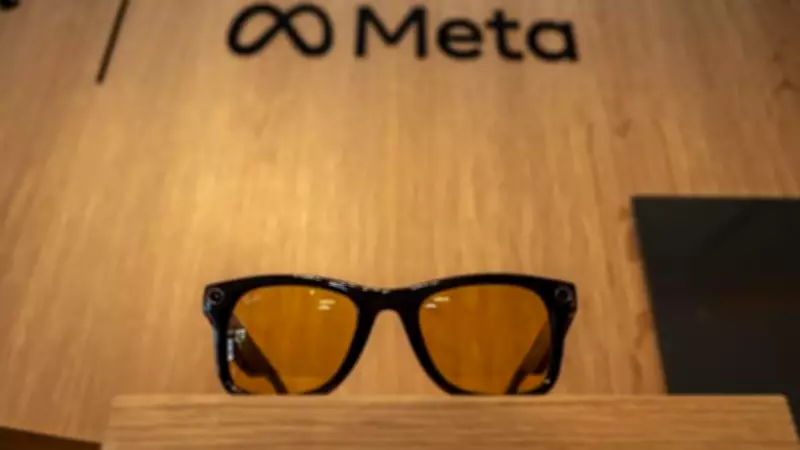
Philadelphia Court Enforces Landmark Ban on Smart and AI-Powered Eyewear
A Philadelphia court has issued a pioneering ruling to implement a comprehensive ban on all smart and AI-powered glasses equipped with recording capabilities, marking a significant technological shift in judicial proceedings. This prohibition applies to both prescription and non-prescription smart eyewear, such as Meta glasses, and is designed to protect the privacy of individuals within courtrooms and prevent the unauthorized recording of sensitive legal processes.
Strict Enforcement and Penalties for Violators
The ban, which took effect on Monday, March 31, carries severe consequences for those who disregard it. Individuals found violating this rule could face criminal contempt charges, potential arrest, and prosecution. Court officials emphasized that this measure builds upon an existing long-standing prohibition against any type of audio, video, listening, or recording devices—including cameras and cell phones—inside Philadelphia courtrooms.
Richard McSorely, the FJD Court Administrator, explained the rationale behind this decision. "There already exists a long-standing prohibition on recording devices of any kind in FJD courtrooms. Adding Smart/META eye glasses to the prohibition will further enhance privacy measures and help lessen witness or juror intimidation by preventing any video recording of them," he stated. This move aims to bolster security and ensure a fair legal environment by mitigating risks associated with covert surveillance.
Scope and Implementation of the Ban
Under this new regulation, smart glasses are now strictly forbidden inside any First Judicial District (FJD-Philadelphia Courts) of Pennsylvania courthouse, building, or office without explicit written permission from the court. Officials highlighted that this ban is a proactive step to address evolving technological threats, as such devices can easily record proceedings without detection, posing a challenge to traditional security measures.
While announcing the ban, court authorities did not immediately specify the exact fines associated with violations. However, they clarified that offenders could be charged with contempt of court, underscoring the seriousness of this infraction. This development reflects a growing trend in legal systems worldwide to adapt to advancements in wearable technology and artificial intelligence, ensuring that privacy and integrity remain paramount in judicial settings.
The implementation of this ban underscores the Philadelphia court's commitment to maintaining a secure and private courtroom atmosphere. By targeting smart and AI-powered glasses, the court addresses a modern loophole that could compromise confidentiality and intimidate participants, thereby reinforcing trust in the legal process.