Senegal Enacts Harsher Penalties for Same-Sex Relations Under New Law
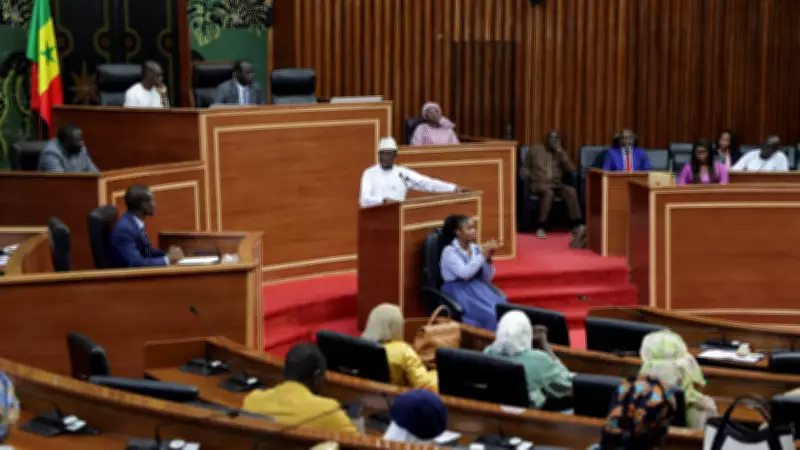
President Bassirou Diomaye Faye of Senegal has officially signed into law a highly contentious bill that significantly increases penalties for same-sex relations, marking a major shift in the nation's legal stance on LGBTQ issues. The new legislation, which was approved by Senegal's National Assembly with a decisive vote of 135 in favor, raises the maximum prison sentence for offenders from five years to a range of five to ten years, effectively doubling the potential punishment.
Expanded Legal Provisions and Enforcement
The law not only toughens penalties for same-sex acts, which it refers to as "acts against nature", but also introduces new criminal provisions. Individuals found guilty of promoting or financing same-sex relationships now face prison terms of three to seven years. Additionally, the legislation imposes substantial fines ranging from two million to ten million CFA francs, adding a financial deterrent to the already severe criminal penalties.
Reports indicate that enforcement of these measures has already intensified in recent months, with dozens of arrests made based on accusations and phone searches. However, the law also includes a provision to penalize false accusations, introducing consequences for those who accuse others of same-sex acts without providing sufficient proof, in an attempt to balance enforcement with procedural safeguards.
International and Domestic Reactions
The enactment of this law has sparked significant international concern. UN Human Rights Chief Volker Türk described the move as "deeply worrying" and stated that it "flies in the face of the sacrosanct human rights", highlighting a clash with global human rights standards. Human rights organizations, including UNAIDS and ILGA World, had previously urged the Senegalese government not to sign the bill, warning that it could deter people from seeking essential health services and undermine individual freedoms.
Despite this international backlash, the legislation reflects strong domestic support in Senegal, where LGBTQ rights remain a sensitive and widely contested issue. The debate is often framed within cultural and religious contexts, with many local groups and citizens backing the stricter measures as aligned with traditional values.
Broader Regional Context
With this new law, Senegal joins a number of African countries that enforce strict legislation against same-sex relations. Across the continent, penalties vary widely, ranging from imprisonment to, in some extreme cases, capital punishment. This development underscores the ongoing tension between global human rights advocacy and regional cultural norms, positioning Senegal within a broader continental trend of resisting LGBTQ rights advancements.
The signing of this bill by President Faye represents a pivotal moment in Senegal's legal and social landscape, likely to have lasting implications for human rights, public health, and international relations in the region.