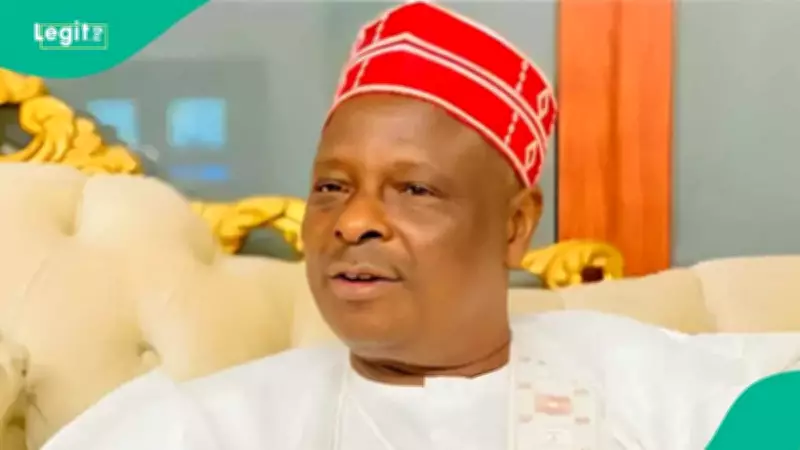
Shari'ah Council Condemns US Bill and Kwankwaso Targeting Allegation
The Supreme Council for Shari'ah in Nigeria has strongly condemned what it describes as the unjust targeting of Senator Rabiu Musa Kwankwaso in connection with allegations of Christian genocide in Nigeria. The Islamic council issued a comprehensive statement rejecting a recent United States congressional bill that alleges systematic religious persecution against Christians in the country.
Council Rejects US Genocide Narrative as Misleading
Secretary General Nafiu Baba Ahmad declared that there exists no state-sponsored or religiously motivated policy of extermination targeting Christians in Nigeria. While acknowledging the nation faces significant security challenges including terrorism, banditry, and organized criminal violence, the council emphasized these issues are not driven by religious persecution.
The council criticized US lawmakers for reducing Nigeria's complex security crisis to what it called a simplistic genocide narrative. Ahmad warned that such framing could dangerously inflame existing tensions within the country rather than contribute to meaningful solutions.
Kwankwaso's Opposition to CPC Designation Cited as Possible Factor
The Shari'ah council suggested that Kwankwaso's public opposition to Nigeria's designation as a Country of Particular Concern over alleged religious persecution might have contributed to his targeting in the US legislative process. The council described the mentioning of Kwankwaso specifically as both unjust and selective, reflecting bias rather than fairness in addressing Nigeria's challenges.
The Islamic group argued that singling out one individual among Nigeria's diverse political class demonstrates a fundamental misunderstanding of the country's complex dynamics.
Focus on Structural Issues Rather Than Individuals
According to the council's statement, Nigeria's deeper challenges stem from economic hardship and governance failures that have fueled widespread poverty and insecurity. The group urged international observers to concentrate on these structural issues rather than scapegoating individual political figures.
The council emphasized that addressing Nigeria's economic difficulties and improving governance systems would prove more effective in resolving security challenges than targeting specific politicians through international sanctions.
Political Context and International Developments
The statement comes as Kwankwaso, leader of the New Nigeria People's Party, recently returned to Abuja after what his party described as strategic international engagements in India. His arrival coincided with proposed US congressional legislation that names him among individuals recommended for targeted sanctions over alleged religious freedom violations.
Both the All Progressives Congress and the New Nigeria Peoples Party have defended Kwankwaso against the proposed sanctions, condemning them as unjust and lacking proper due process. Political leaders have questioned the fairness of targeting Kwankwaso while other state governors facing similar security challenges in their regions remain unaccused in the US legislative process.
The Shari'ah council's intervention highlights growing concerns about international perceptions of Nigeria's security situation and the potential consequences of foreign legislative actions on domestic political figures.