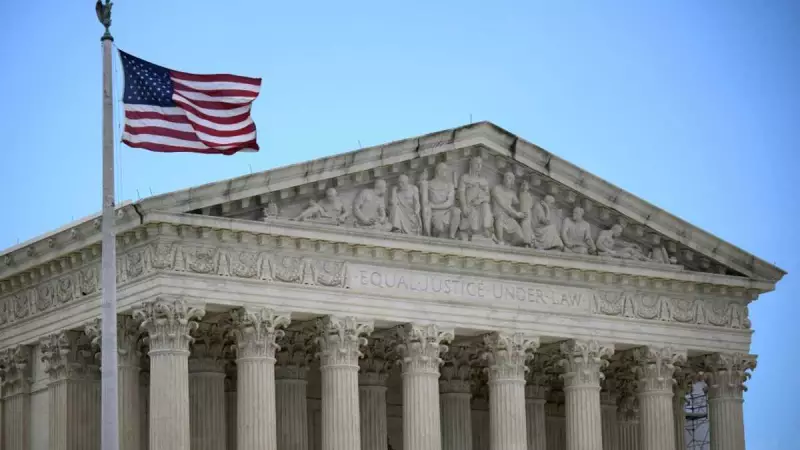
The United States Supreme Court is now considering a landmark case that could redefine the responsibilities of internet service providers (ISPs) in the fight against digital piracy. On Monday, 1 December 2025, the justices heard arguments in a high-stakes legal battle between major record labels and a leading broadband company.
The $1 Billion Verdict at Stake
At the heart of the case is a massive $1 billion damages award granted by a jury to Sony Music Entertainment and several other record labels. The award was made against Cox Communications, one of America's largest internet service providers. The labels successfully argued in a 2019 lawsuit that Cox failed to take reasonable action against its subscribers who were repeatedly accused of illegally downloading copyrighted music.
Cox is now urgently asking the Supreme Court to overturn this verdict. The company's attorney, Joshua Rosenkranz, warned the court of potentially "cataclysmic" consequences if the ruling stands. He argued that the only sure way for an ISP to avoid such liability would be to disconnect entire networks, punishing innocent users along with offenders.
A Debate Over Responsibility and Overreach
During the hearing, a majority of the nine justices seemed concerned about the wider implications. They appeared sympathetic to the argument that holding ISPs strictly liable could lead to innocent subscribers in places like entire towns, universities, or hospitals losing internet access because of a few bad actors. This, Rosenkranz contended, would unfairly turn internet providers into "internet police."
However, several justices pushed back, questioning whether Cox should face no consequences at all. Justice Sonia Sotomayor pointedly noted that Cox, even when aware of specific users infringing copyrights, seemed to be "doing nothing." She asked the company's lawyer, "Why aren't you contributing to that infringement?"
Justice Ketanji Brown Jackson also expressed deep skepticism. She voiced concern that Cox's legal position would encourage the Court to adopt a rule that "would essentially eliminate liability" for providers who enable piracy on their networks.
Conflicting Claims of Action and Inaction
In defense of his client, Rosenkranz objected to the characterisation of inaction. He stated that Cox sends out hundreds of warnings to subscribers daily and has suspended tens of thousands of accounts accused of copyright infringement.
Representing Sony and the other music labels, attorney Paul Clement countered that these measures were insufficient. He argued that Cox was not doing enough to tackle the pervasive problem and should not escape liability. Clement emphasised that under copyright law, liability extends beyond direct infringers to those who "induce, cause or materially contribute to the infringement of others."
The Supreme Court is expected to deliver its decisive ruling in this pivotal case before the end of its term in June. The outcome will have profound ramifications for the music industry, internet service providers, and digital consumers worldwide, setting a crucial precedent for the boundaries of online accountability.