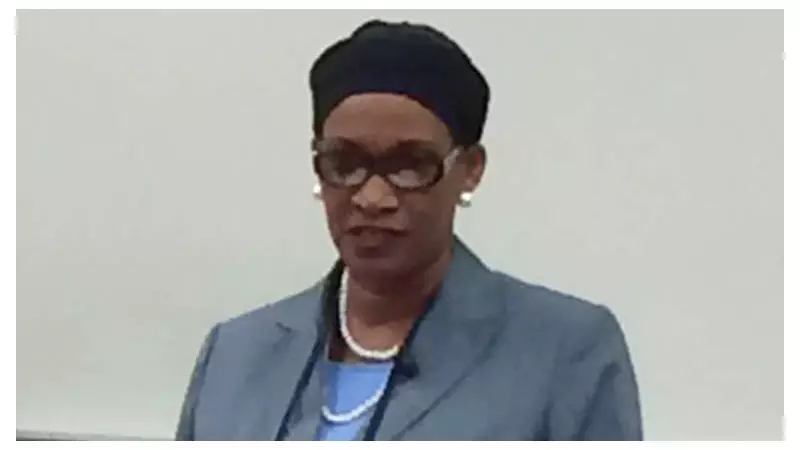
Justice Helen Moronkeji Ogunwumiju of the Supreme Court of Nigeria has issued a powerful call for a fundamental overhaul of the country's justice system. She demands it become affordable, accessible, and sensitive to the trauma experienced by women and girls. The jurist made this appeal while delivering the keynote address at the 25th-anniversary celebration of the Women Advocates Research and Documentation Centre (WARDC).
Breaking Down Barriers to Justice
Speaking under the theme "Breaking Barriers, Building Futures with Women and Girls," Justice Ogunwumiju identified critical obstacles that prevent women from seeking legal redress. Uneven law enforcement, poorly trained officials, exorbitant legal fees, social stigma, and discriminatory cultural practices were highlighted as major hurdles. She stressed that despite constitutional protections, many women live in fear of violence, not being believed, or being blamed for their ordeal.
The Supreme Court Justice insisted that the system's first response to a woman in distress must be support and protection, not suspicion or prejudice. She warned that systems which doubt survivors, cause lengthy delays, or pressure victims into silence do not deliver justice but instead perpetuate further harm.
Making Justice Travel to the People
Ogunwumiju argued that justice must "travel to the people," especially to rural areas where a majority of Nigerian women live. She cited the tragic example of a rape survivor who abandoned her case after trekking for days to reach a police station, stating that distant or unaffordable justice is justice denied.
To bridge this gap, she recommended practical innovations including:
- Mobile courts and community-based justice mechanisms.
- Safe reporting hubs and survivor support centres.
- Training programmes for community leaders and justice sector actors.
- Technology-driven case tracking to reduce delays and prevent secondary victimisation.
Economic Dependence and Legal Rights
The jurist underscored the strong link between economic dependence and limited access to justice. She observed that many women remain trapped in abusive situations simply because they cannot afford to leave. Ogunwumiju called for stronger enforcement of women's property and inheritance rights, as well as fair asset division in divorce proceedings.
Drawing from her judicial experience, she referenced a landmark custody case where she overturned a High Court ruling that favoured a wealthy father over a less affluent mother. She described the original decision as discriminatory, rooted in wrong assumptions about gender and economic power. "Each parent has equal rights," she maintained, emphasising that justice must be blind to wealth, ethnicity, and patriarchal bias.
While celebrating the growing presence of women in sectors like the judiciary, business, and medicine—noting that women now occupy six of the twenty Supreme Court seats—she cautioned that structural inequalities persist. True justice, she concluded, must be affordable, understandable, and close to the people to serve women and girls meaningfully.
Justice Ogunwumiju paid tribute to WARDC, founded in 2000 by Dr. Theodora Akéode-Afolami, praising its 25 years of providing legal aid, training key stakeholders, influencing policy, and shifting the national conversation from charity to rights. She called on all stakeholders to build a system that hears every voice and guarantees dignity without discrimination, declaring that "a society cannot progress when half of its population is left unheard."