The Nigerian Supreme Court's recent dismissal of a suit challenging the controversial state of emergency in Rivers State has ignited fresh debates about the health of the nation's democracy and the spectre of militarised civilian rule.
From Military Rule to Civilian 'Coups'
The optimism that greeted Nigeria's return to civilian rule in 1999 has been steadily eroded. While the military formally handed over power, its influence has remained pervasive. Retired military officers have dominated the political landscape, occupying key positions in the National Assembly, influencing government contracts and policies, and maintaining significant economic and political sway. The presidencies of former military leaders like Olusegun Obasanjo and Muhammadu Buhari underscored this enduring legacy.
Many Nigerians had hoped the 2023 election of a president with a strong activist background, known for his role in groups like NADECO and his advocacy for true federalism and the rule of law, would mark a definitive break. This hope was encapsulated in his Renewed Hope Agenda.
The Rivers State Precedent and Judicial Response
Those hopes were severely tested in March 2025. The activist-turned-president declared a state of emergency in the economically vital Rivers State. He suspended the democratically elected governor, deputy governor, and the entire State House of Assembly, installing a retired military officer as Sole Administrator.
This move, described by critics as a 'civilian coup,' forced citizens to seek redress in the courts. After initial cases were controversially transferred from Port Harcourt to Abuja and struck out, the matter reached the Supreme Court. Eleven states of the federation jointly filed a suit, seeking a definitive ruling on the legality of the president's actions.
Last week, the Supreme Court delivered its judgment. In a ruling that revolved around technical jurisdiction, the court struck out the suit. The justices held that the plaintiffs failed to establish a dispute between themselves and the Federation as required by Section 232(1) of the Constitution. The court noted that none of the eleven states represented Rivers State or had a state of emergency declared within their own borders. It further ruled that statements by officials like the Attorney-General could not, by themselves, constitute an actionable dispute with the Federation.
A Legacy of Legalising Executive Overreach?
The judgment has profound implications. Legal analysts, including senior advocate Ebun-Olu Adegboruwa, argue that by declining jurisdiction on technical grounds, the court has effectively avoided a substantive pronouncement on the limits of presidential power in declaring a state of emergency. This, they fear, sets a dangerous precedent that could enable future executives to suspend democratic institutions in states under the guise of an emergency, without facing robust legal challenge from other federating units.
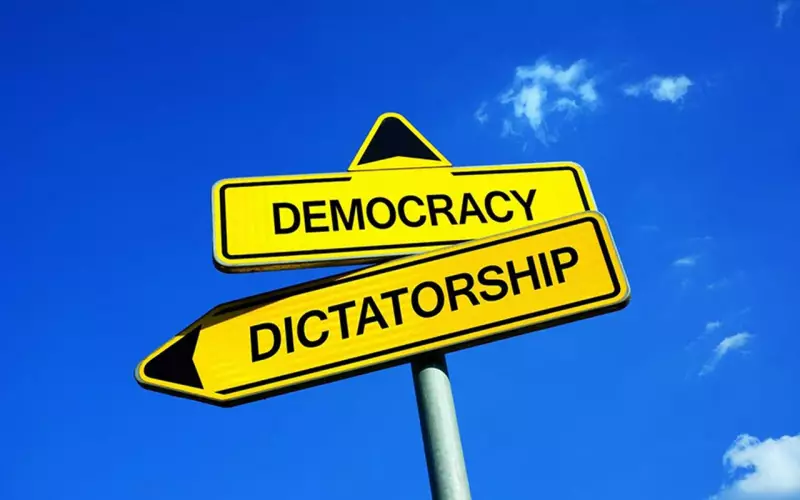
The sequence of events—from the presidency of Umaru Yar'Adua whose tenure was cut short, to the perceived militarisation of civilian governance—paints a worrying picture. The concern is that Nigeria risks legalising a form of civilian dictatorship, where the tools of democracy are used to undermine its very foundations. The Supreme Court's decision in the Rivers State case is seen by many as a critical juncture in this ongoing struggle for the soul of Nigerian federalism.