Supreme Court to Determine Fate of PDP and ADC Factions in Tuesday Hearing
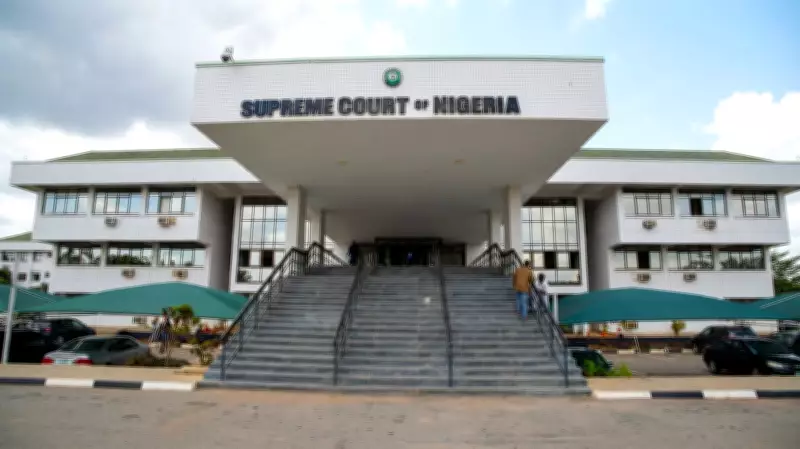
The Supreme Court of Nigeria has officially fixed Tuesday for the hearing of three critical appeals that arise from the ongoing leadership crises within two major political parties: the Peoples Democratic Party (PDP) and the African Democratic Congress (ADC). This pivotal session is set to address disputes that have significant implications for the internal governance and future direction of these parties.
Appeals Filed by PDP and ADC Factions
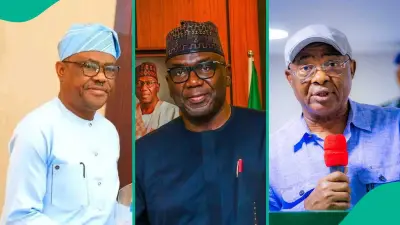
Two of the appeals have been filed by a faction of the PDP led by Kabiru Turaki, while the third was instituted by former Senate President, Senator David Mark, who also serves as a factional National Chairman of the ADC. These appeals directly challenge recent judgments delivered by the Court of Appeal in Abuja, marking a crucial step in the legal battles over party leadership.
The PDP faction's appeals are identified as SC/CV/166/2026 (PDP vs. Hon. Austine Nwachukwu) and SC/CV/164/2026 (PDP vs. Alhaji Sule Lamido). Senator Mark's appeal is marked SC/CV/180/2026 (Senator David Mark vs. Hon. Nafiu Bala Gombe). These cases highlight the deep-seated divisions within both parties, with outcomes that could reshape their organizational structures.
Background of PDP Appeals
The appeals by the Turaki-led PDP faction stem from decisions of the Court of Appeal delivered on March 9, which upheld earlier rulings of the Federal High Court in Abuja. These rulings restrained the PDP from conducting its planned national convention scheduled for November 15 and 16, 2025. The lower court had directed the party to first comply with relevant statutory provisions, including the Electoral Act and the 2022 Regulations and Guidelines for Political Parties.
The initial rulings were delivered by Justices James Omotosho and Peter Lifu of the Federal High Court, Abuja, in suits filed by aggrieved party members. In the first case, decided on October 31, 2025, Justice Omotosho upheld the claims of three PDP chieftains: Austin Nwachukwu (Imo State Chairman), Amah Abraham Nnanna (Abia State Chairman), and Turnah Alabh George (South-South Zonal Secretary).
In the second case, Justice Lifu, in a judgment delivered on November 14, 2025, ordered the PDP to halt its convention plans until it allowed former Jigawa State Governor, Sule Lamido, to contest for the party's national chairmanship. Lamido had approached the court, alleging he was unlawfully denied the opportunity to participate in the chairmanship race, underscoring issues of internal democracy within the party.
ADC Leadership Dispute
Meanwhile, Senator Mark's appeal challenges the March 12 judgment of the Court of Appeal, which dismissed his earlier appeal in the ADC leadership dispute. Mark had initially appealed against a September 4, 2025 ruling by Justice Emeka Nwite of the Federal High Court, Abuja. That ruling refused to grant injunctive reliefs sought in an ex parte application filed by Nafiu Bala Gombe, an ADC chieftain.
In its ruling in appeal number CA/ABJ/CV/145/2026, a three-member panel of the Court of Appeal, led by Justice Uchechukwu Onyemenam, upheld a preliminary objection by Gombe's legal team, headed by Luka Musa Haruna (SAN). The court held that Mark's appeal was incompetent, noting that it raised issues not contained in the original ruling of the trial court, highlighting procedural complexities in the legal process.
Implications of Supreme Court Hearing
All three matters are now set for definitive determination by the Supreme Court on Tuesday. This hearing represents a critical juncture in resolving the leadership crises that have plagued both the PDP and ADC, with potential ramifications for their stability and electoral prospects. The outcomes could influence party conventions, candidate selections, and overall political dynamics in Nigeria.
The Supreme Court's decisions will not only address specific legal disputes but also set precedents for how political parties manage internal conflicts and adhere to statutory requirements. As the nation watches, the rulings could either pave the way for reconciliation or deepen existing divisions within these key political entities.