US Justice Department Launches Federal Probe into Transgender Prisoner Rape Allegations
The Trump administration has initiated a significant federal investigation into disturbing allegations of rape and harassment involving transgender inmates housed in women's prisons across California and Maine. This probe follows reports of a transgender convict impregnating a female inmate, sparking widespread concern over inmate safety and constitutional protections.
Investigation Targets Multiple Correctional Facilities
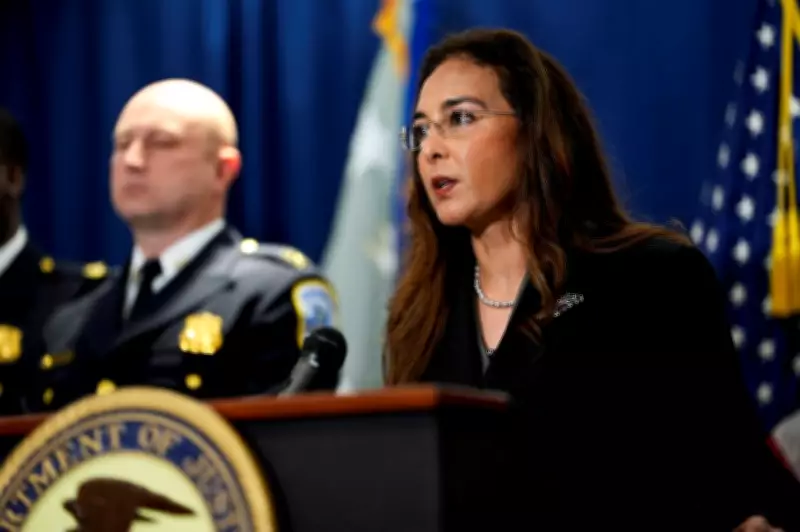
Assistant Attorney General for Civil Rights Harmeet Dhillon confirmed to media outlets that the Department of Justice will formally notify California Governor Gavin Newsom and Maine officials about the impending investigation. The investigation will concentrate on three specific facilities: the California Institution for Women in San Bernardino County, the Central California Women's Facility in Madera County, and the Maine Correctional Center in Windham. These institutions have become central to numerous allegations of sexual violence and intimidation.
Federal authorities will examine whether California and Maine have violated the constitutional rights of female inmates by housing them alongside biological male prisoners who identify as transgender. The investigation specifically seeks to determine if prison officials have engaged in a pattern or practice of rights violations at these women's correctional facilities.
Background and Triggering Events
The federal probe comes in response to a coordinated billboard campaign launched across California by women's rights organizations Women Are Real and WomaniiWoman. These groups have been drawing public attention to what they describe as a concerning increase in sexual assaults by transgender prisoners against female inmates. The campaign specifically calls for greater scrutiny of biological male inmates placed in women's prisons under California's Senate Bill 132.
This legislation, passed in 2021, allows transgender, nonbinary, and intersex inmates to be housed according to their gender identity rather than their biological sex. The investigation coincides with the upcoming rape trial of Tremaine Carroll, a 52-year-old transgender prisoner housed at the Central California Women's Facility in Chowchilla under SB 132 provisions.
Carroll faces charges of raping three women while incarcerated, with prosecutors alleging that one female cellmate became pregnant as a result. These specific cases have become focal points in the broader debate about prison housing policies and inmate safety.
Constitutional and Safety Concerns
Authorities will investigate allegations that female prisoners have been subjected to various forms of abuse including sexual assault, rape, voyeurism, and intimidation allegedly linked to the presence of biological male inmates in women's facilities. The investigation will assess potential violations of multiple constitutional protections:
- First Amendment rights regarding freedom from retaliation
- Eighth Amendment protections against cruel and unusual punishment
- Fourteenth Amendment Equal Protection Clause guarantees
Attorney General Pamela Bondi emphasized the administration's position, stating: "Keeping men out of women's prisons is not only common sense – it's a matter of safety and constitutional rights. The Trump Administration will not stand by if governors are facilitating the abuse of biological women under the guise of inclusion."
Broader Implications and Statements
Assistant Attorney General Dhillon highlighted the national significance of the investigation, noting: "These investigations will uncover whether the dangerous national trend of housing men in women's prisons has resulted in violations of women's constitutional rights." The probe represents a significant federal intervention into state prison policies and could establish important precedents regarding transgender inmate housing and constitutional protections for all prisoners.
The investigation comes at a time of intense national debate about transgender rights, prison reform, and inmate safety. As the Justice Department proceeds with its examination, the findings could influence prison policies across multiple states and reshape the ongoing conversation about balancing inclusion with safety in correctional facilities.