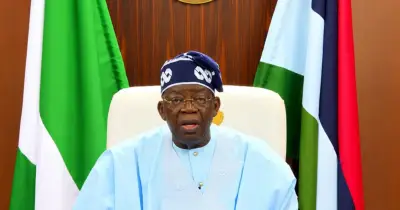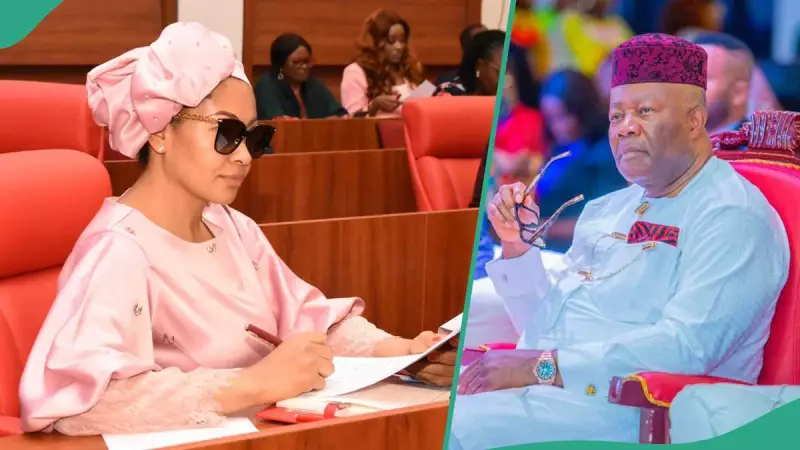
In a surprising New Year's Day development, the President of the Nigerian Senate, Godswill Akpabio, has directed his legal team to withdraw all defamation lawsuits filed against his critics. This includes a high-profile case against Senator Natasha Akpoti-Uduaghan, who represents the Kogi Central Senatorial District.
A Change of Heart Inspired by Sermon
The decision was announced by Akpabio himself in a video that has since gone viral. The Senate President spoke after attending a New Year church service at the Sacred Heart Parish in Uyo on Thursday, January 1, 2026. He revealed that he had instructed his solicitors to drop approximately nine separate defamation cases pending in various courts.
Akpabio explained that the priest's sermon prompted his dramatic change of heart. "I had almost nine cases in court against some individuals who defamed me, who lied against me, who slandered my name," he stated. "But I listened to the priest and suddenly realised he was talking to me, so I hereby direct my solicitor to withdraw all lawsuits against them."
Mixed Reactions from the Public
The announcement has sparked a wave of mixed reactions from Nigerians across social media and public discourse. While some have praised the move as an act of maturity and forgiveness befitting the New Year spirit, others have questioned the timing and motives, suggesting it could be a strategic political maneuver.
The withdrawal notably ends the legal action against Senator Natasha Akpoti-Uduaghan, a known political figure from Kogi State. The specifics of the alleged defamation were not detailed in Akpabio's public statement, but such suits are typically filed in response to public statements deemed damaging to reputation.
Implications for Political Discourse
This move by one of the nation's highest-ranking lawmakers is seen by observers as having potential implications for the tone of political engagement in Nigeria. The decision to forgo legal recourse in favor of personal resolution sets a notable precedent, especially coming from a figure who has often been at the center of political controversies.
Whether this gesture will lead to a more conciliatory atmosphere within the National Assembly and the broader political landscape remains to be seen. However, Akpabio's public reference to a spiritual awakening as the catalyst for his action has certainly made it one of the first major political stories of the new year.