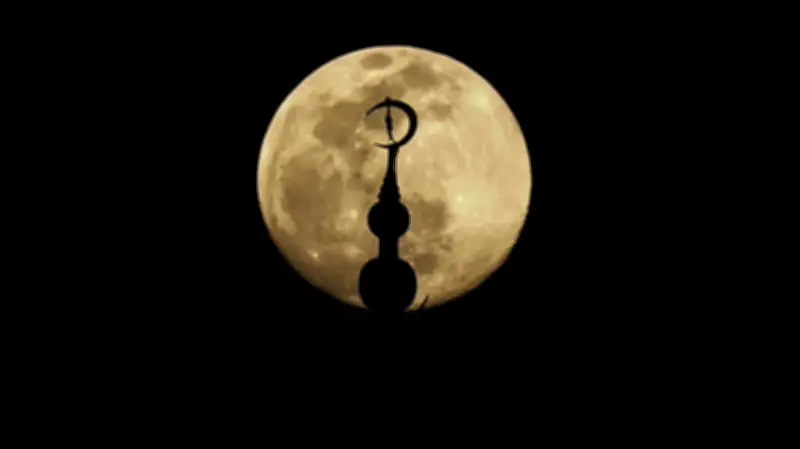
As the new Islamic calendar year (1448 AH) approaches, Muslims around the world prepare to commemorate the Hijrah, the migration of Prophet Muhammad from Makkah to Madinah, which occurred 1,447 years ago. This event, marking the beginning of the Islamic lunar calendar, is a time for reflection on the eternal struggle between truth and falsehood.
The Significance of Hijrah
To migrate is to move from one region to another according to seasons. In Islamic terms, Hijrah specifically refers to the Prophet's migration with his companions to defend Islam. The annual observance reminds Muslims of their glorious past, which is not merely historical but a living legacy. It calls attention to the sacrifices of Islam's heroes and reasserts Islamic identity in modernity.
Spiritual and Material Dimensions
The Hijrah embodies duty and sacrifice in the spiritual realm, while in the material world it was an adventure. It involved forsaking worldly attachments and reclaiming higher purposes. Those who left Makkah for Madinah, like the seventy early emigrants, exemplified this template. The Hijrah teaches that deprivation is not the same as forsaking the world; those who forsake the world often find it coming to them, while those who covet it may lose both the world and their souls.
Remembering the Pioneers
Muslims celebrate the new year to honor those who stood firm for Islam while others sat idle. They were individuals of deep thought and action, who traversed harsh paths between Makkah and Madinah. Their identity was solely Muslim, transcending ethnic labels like Yoruba, Hausa, or Igbo. They emerged from the oppressed and downtrodden, leaving as refugees and returning as faithful servants of the Almighty.
The Legacy of Umar ibn al-Khattab
We remember Umar ibn al-Khattab, who initiated the dating system based on the Hijrah. His innovation helped administer the Islamic state. The event is referenced in two Quranic verses: one speaks of barriers preventing sight (Q36:8), and the other recounts the Prophet's reassurance to Abu Bakr in the cave, with divine aid (Q9:40).
Lessons for the New Year
As the new Hijrah year of 1448 AH dawns, Muslims are encouraged to draw spiritual and material lessons from the migration. The conduct and candor of those immaculate personages who shaped that season should guide believers globally in their lives, now and always.