Senate Plunges into Disorder Over Electronic Results Transmission Debate
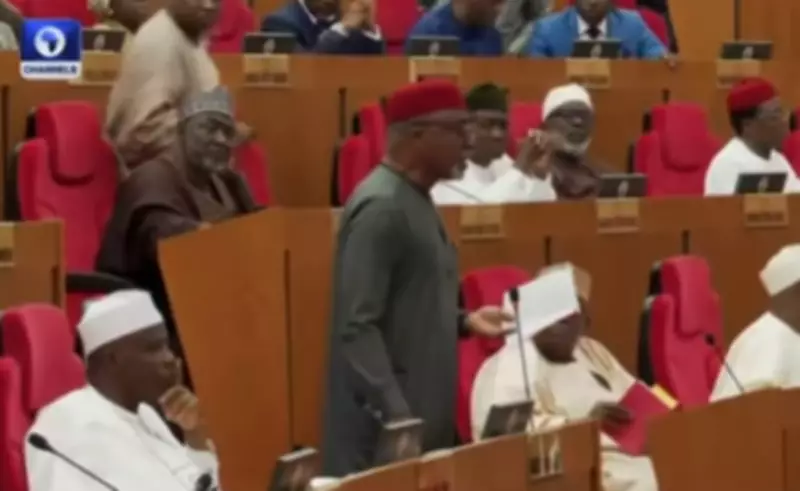
The hallowed chambers of the Nigerian Senate witnessed a dramatic and tumultuous session this afternoon, as lawmakers engaged in a heated confrontation over the critical issue of electronic transmission of election results. The uproar was triggered by a motion put forward by Senator Eyinnaya Abaribe, representing Abia South, which called for a fundamental change in the voting procedure on this contentious matter.
Abaribe's Motion Sparks Immediate Controversy
Senator Abaribe, known for his vocal stance on electoral integrity, formally proposed that the Senate should allow each senator to cast their vote individually, either for or against the mandatory electronic transmission of results. This motion aimed to ensure transparency and accountability in the decision-making process, reflecting the gravity of the issue at hand. However, the suggestion was met with an immediate and vociferous backlash from a significant faction of the assembly.
Objections and Demands for Alternative Voting
As soon as Senator Abaribe concluded his motion, several senators raised their voices in loud objection, creating a chaotic atmosphere in the chamber. The aggrieved lawmakers argued vehemently against the individual voting approach, instead demanding that the Senate should put the entire debate to a collective vote. They contended that this method would streamline the process and avoid potential delays or divisions, but critics viewed it as a move to suppress dissenting opinions and obscure individual stances on the electronic transmission mandate.
The ensuing rowdy session highlighted the deep-seated tensions and political maneuvering within the Senate, as the issue of electronic transmission of results remains a polarizing topic in Nigeria's electoral reforms. Proponents argue that it is essential for enhancing the credibility and transparency of elections, while opponents express concerns over logistical challenges and potential technical failures. The chaos underscored the high stakes involved, with the outcome potentially shaping the future of Nigeria's democratic processes.
This incident serves as a stark reminder of the ongoing debates surrounding electoral integrity in Nigeria, as lawmakers grapple with balancing innovation and tradition in the pursuit of free and fair elections. The Senate's ability to navigate such contentious issues will be closely watched by citizens and stakeholders alike, as the nation moves towards future electoral cycles.