
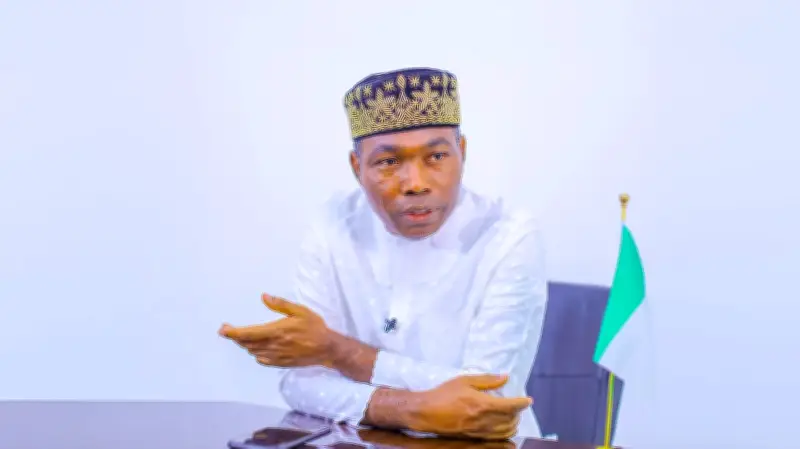
The presidential candidate of the Social Democratic Party (SDP), Prince Adewole Adebayo, has declared that Nigeria is yet to attain genuine democracy, asserting that what currently exists is merely civilian rule lacking the substance of democratic governance. Speaking in Abuja after the Democracy Day celebrations, Adebayo argued that although Nigeria has enjoyed uninterrupted civilian administration since 1999, the country continues to grapple with weak institutions, poor accountability, and declining public welfare.
Democracy Unfulfilled
Adebayo stated that the promise of democracy remains largely unfulfilled for many citizens. He warned that worsening poverty and insecurity could deepen national instability if urgent reforms are not implemented. “Since 1993, only two things have changed: our problems have become bigger, and our democratic space has become smaller,” he said.
The SDP chieftain further cautioned that persistent economic hardship, if left unaddressed, could escalate into more severe social consequences. “Poverty has grown and given birth to insecurity. If we fail to address both, they may eventually lead to instability, revolution, or even genocide,” he warned.
Critique of Renewed Hope Agenda
Reacting to President Bola Ahmed Tinubu’s “Renewed Hope” agenda, Adebayo said Nigerians are still struggling to connect government policies with everyday realities. He stressed that governance must prioritize immediate human needs. “A president is elected for the present, not the future. Hungry people cannot eat in the future. Children cannot go to school in the future. Security challenges cannot wait,” he asserted.
Adebayo also dismissed claims of ongoing reforms, arguing that policy changes have not translated into real structural improvement. “There are no reforms. Renaming problems is not reform. Increasing taxes and calling it tax reform is not reform,” he said.
Petroleum Sector and Governance
He further questioned the performance of the petroleum sector, noting that government-owned refineries remain largely ineffective despite repeated assurances of rehabilitation. Adebayo criticized what he described as the widening gap between political leaders and citizens, insisting that effective governance requires continuous engagement with the public. “The president speaking to the people is good, but the president listening to the people is more important,” he said.
Electoral Reforms and Security Spending
Adebayo called for constitutional reforms to guarantee the independence of the Independent National Electoral Commission (INEC), insisting that political actors should not influence the appointment of electoral officials. He also advocated real-time transmission of election results to improve transparency and restore public confidence in the electoral process. On security spending, he raised concerns over accountability, stressing that proper oversight is more critical than increased budget allocations.
Despite his criticisms, Adebayo maintained that Nigeria’s challenges remain solvable if leaders adopt a more people-centred approach to governance.




