
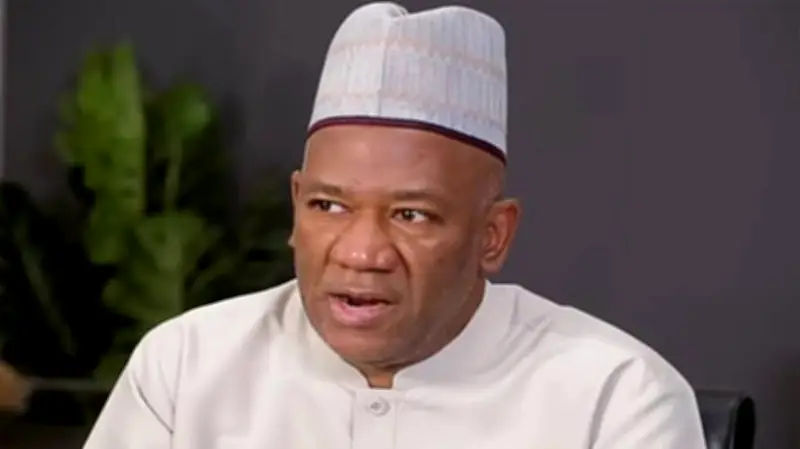
Yusuf Datti Baba-Ahmed, the former Labour Party vice-presidential candidate, has ignited fresh political discourse with his recent remarks about the formation of his alliance with Peter Obi during the 2023 presidential election. The comments have prompted renewed scrutiny of the partnership, which was widely viewed as a strategic move that evolved into a formidable political movement.
Revelations on the Alliance
Datti's statements, while seemingly explanatory, have raised questions about the foundational dynamics of the Obi-Datti ticket. Supporters of the Labour Party movement had long perceived the alliance as a union driven by shared political goals rather than personal interests. However, Datti's latest reflections have highlighted the calculated nature of the partnership, leading to debates about the relative contributions of both men and who ultimately benefited more from the arrangement.
Political Context and Impact
Before the 2023 election, Peter Obi had already emerged as a central figure in a growing political wave that mobilized millions of young and first-time voters. His candidacy transformed the Labour Party into a major political force, generating unprecedented enthusiasm across Nigeria. In contrast, Datti brought legislative experience, private-sector expertise, and regional political influence to the ticket. The alliance elevated Datti's national profile, introducing him to a broader electorate and establishing him as a key opposition figure.
The renewed discussion comes at a critical juncture as opposition figures reassess their strategies ahead of the 2027 elections. With new alliances forming and old partnerships undergoing scrutiny, comments from key actors in the 2023 race are attracting heightened attention. Analysts suggest that the debate extends beyond personal relationships to broader questions about the nature of political movements—whether they are driven by individuals, ideology, or the collective aspirations of supporters.
Broader Implications for Opposition Politics
For many Nigerians who rallied behind the Labour Party in 2023, the Obi-Datti ticket represented more than a personal bond between two politicians. It became a symbol of political change, civic engagement, and a challenge to Nigeria's traditional political order. As reactions to Datti's remarks continue to unfold, observers note that the focus may shift from the origins of the partnership to its lasting impact on the country's political landscape and the lessons it offers for future opposition coalitions.
The episode underscores the complexities of political alliances in Nigeria, where strategic calculations often intersect with public perceptions. As the 2027 elections approach, the legacy of the Obi-Datti partnership will likely remain a reference point for discussions on opposition unity and political transformation.




