
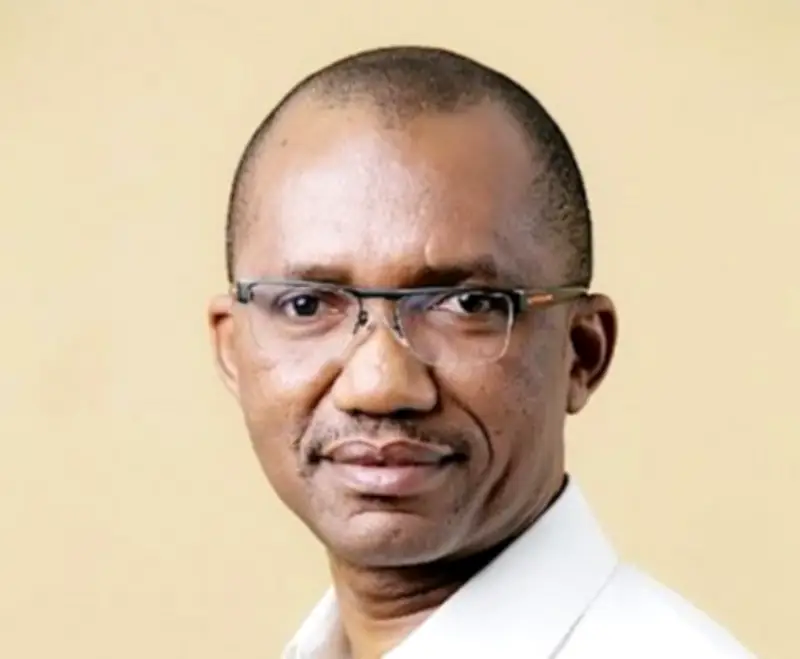
An Unexpected Lesson on Nigeria's Global Image
In a revealing encounter with a South African editor, Nigerian journalist Azu Ishiekwene learned a striking lesson about how Nigeria is perceived beyond its borders. The conversation, which took place during a media forum in Johannesburg, highlighted the deep-seated stereotypes and misconceptions that many Africans hold about Nigeria, even among educated elites.
The South African editor, a seasoned professional with decades of experience, candidly expressed his views on Nigeria: a country plagued by corruption, insecurity, and inefficiency. He cited examples ranging from the prevalence of email scams to the challenges of doing business in Nigeria. Ishiekwene, taken aback, realized that these perceptions were not just the result of media bias but were shaped by real experiences and widely shared narratives.
The Roots of Negative Perceptions
Ishiekwene noted that the editor's views were not unique. Many South Africans, and indeed people from other African countries, hold similar opinions about Nigeria. These perceptions are often reinforced by news reports of kidnappings, oil theft, and political instability. The editor pointed out that while South Africa has its own problems, Nigeria's issues seem more pervasive and intractable.
The conversation turned to the role of Nigerian media and the government in shaping the country's image. Ishiekwene acknowledged that Nigerian journalists often focus on negative stories, sometimes ignoring positive developments. He also admitted that the government's failure to address systemic problems has allowed the narrative of a failing state to persist.
A Call for a New Narrative
Ishiekwene argues that Nigeria must take proactive steps to change its image. This requires not just public relations campaigns but genuine efforts to tackle corruption, improve security, and deliver public services. He emphasizes the importance of storytelling: Nigerians must tell their own stories, highlighting achievements in technology, entertainment, and entrepreneurship.
He also suggests that Nigerian media should adopt a more balanced approach, covering successes as well as failures. The government, too, must engage more effectively with international audiences, showcasing progress and inviting scrutiny. Ishiekwene believes that the encounter with the South African editor was a wake-up call, reminding him that Nigeria's reputation is not just a matter of pride but has real economic and diplomatic consequences.
According to Ishiekwene, "The truth is that we have allowed others to define us for too long. It is time we took control of our narrative." He calls on Nigerians at home and abroad to become ambassadors for their country, challenging stereotypes with facts and positive examples.
The Impact of Perception on Nigeria's Standing
The negative perception of Nigeria has tangible effects. It deters foreign investment, reduces tourism, and hampers diplomatic efforts. Ishiekwene points out that countries like Rwanda and Ghana have successfully rebranded themselves, attracting investment and improving their global standing. Nigeria can learn from their examples.
He concludes that the encounter with the South African editor was a valuable lesson. It showed that Nigeria's image problem is not just about what others think but about what Nigerians themselves believe and project. By changing the narrative from within, Nigeria can begin to reshape how it is seen by the world.




