
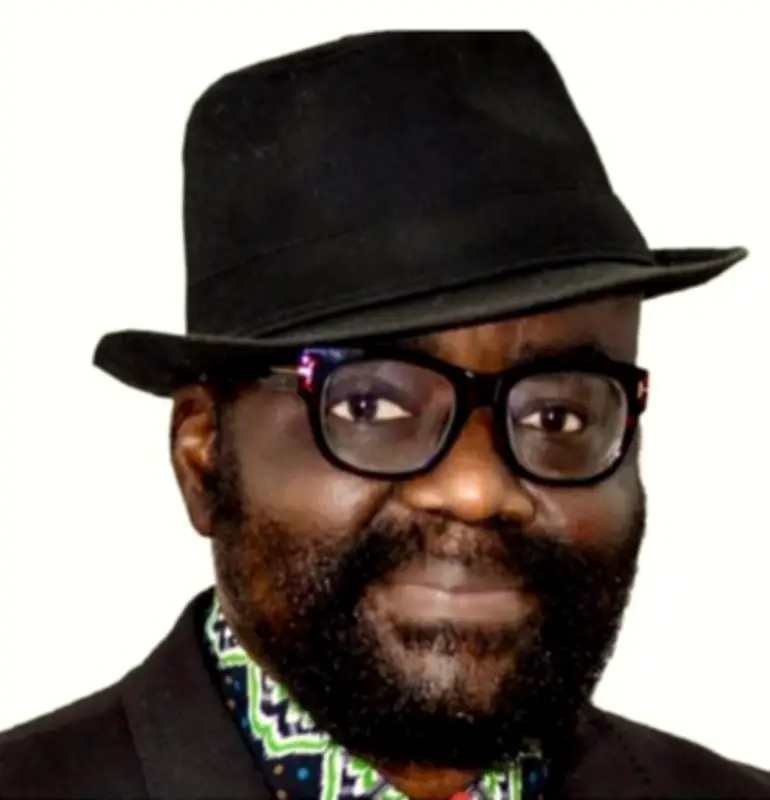
Former President Goodluck Jonathan is being urged by some political figures to contest the 2027 presidential election, but a growing chorus of analysts and commentators advise him to stay out of the race. The argument is that Jonathan, who served as Nigeria's president from 2010 to 2015, has built a reputation as a global statesman and should not risk tarnishing that legacy by re-entering the divisive arena of partisan politics.
The Case Against Running
Those counseling Jonathan against running point to his unique political journey: from deputy governor to governor, vice president, and president. He is widely praised for conceding defeat in 2015, a move that earned him international respect and elevated him to the status of a statesman. Since leaving office, he has served as an ECOWAS mediator, leading election observation missions and mediating crises across Africa.
Returning to the rough-and-tumble of Nigerian presidential campaigns, they argue, would expose him to vicious personal attacks and undermine his hard-earned reputation. "Don't demystify yourself," one analyst implored, warning that he risks being seen as a political opportunist.
The Pressure to Run
Despite these warnings, some PDP stalwarts, including Professor Jerry Gana, have made a compelling case for Jonathan's return. They argue that his candidacy would ensure the presidency rotates back to the North by 2031, preventing a new candidate from holding power for eight years. They also cite public nostalgia for the relative economic stability of the Jonathan era, contrasting it with current hardships like high food and fuel prices.
Honourable Benedict Etanabene, a PDP governorship candidate in Delta State, pointed to international precedents like Donald Trump in the US and John Mahama in Ghana as examples of leaders who returned to office after a break. "If we have a problem and we need somebody to fix it, we look for persons who have the capacity to do it," he said.
Risks and Challenges
However, entering the race carries significant risks. Jonathan could face tribal backlash, particularly from supporters of Peter Obi in the South-East, who might accuse him of splitting the opposition vote in favor of President Bola Tinubu. He could also be accused of undermining Tinubu's support in the South-South, a region where APC governors now hold sway.
Analysts note that Jonathan's tenure was a mixed bag: commendable for its commitment to democracy and civil liberties, but marred by institutional weakness, economic mismanagement, and corruption. If he runs and loses, he would politically castrate himself, losing the stature he currently enjoys.
Political Math
Nigeria's opposition is currently fragmented, with candidates like Atiku Abubakar, Peter Obi, Rabiu Kwankwaso, and others potentially splitting the vote. In 2023, Tinubu won with just 36.6% of the vote because the opposition was divided. A unified opposition front would be the most straightforward path to defeating an incumbent, but that remains elusive.
Tinubu, as an incumbent, commands a powerful political machine backed by 31 APC governors. His fate will depend on public perception of the economy and security. But no incumbent is unbeatable, especially if economic frustration peaks.
Conclusion
Given the risks, many believe Jonathan is best advised to stay out of the fray. His legacy as a peaceful, elder statesman is secure, and re-entering politics could only diminish it. As one commentator put it, "Don't go down in history as a reed that can be carried hither and thither by the lagoon."




