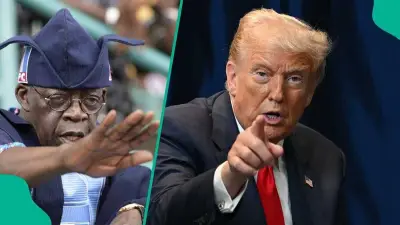
The political temperature in Rivers State has reached a boiling point as the State House of Assembly has issued a stark ultimatum to President Bola Tinubu regarding the impeachment proceedings against Governor Siminalayi Fubara. The assembly's spokesperson, Enemi George, has declared that only a change to the nation's constitution can stop the move to remove the governor from office.
No Going Back on Impeachment, Says Assembly
In a firm statement made during an interview on TVC on Thursday, January 8, 2026, George made it clear that the assembly is resolute. He stated that despite any presidential intervention, the lawmakers are proceeding with the impeachment because Governor Fubara has been repeating the same errors. The spokesperson emphasized that the constitutional process must be followed and that the governor will be impeached unless the foundational law of the land is altered.
The assembly has formally initiated impeachment proceedings against both Governor Fubara and his deputy, Professor Ngozi Odu. The lawmakers have accused them of gross misconduct and financial irregularities. A notice of these allegations is set to be served to the governor within a seven-day period, as confirmed by the Speaker of the House, Martins Amaewhule.
Detailed Allegations Against Governor Fubara
During a plenary session presided over by Speaker Amaewhule, the Majority Leader, Major Jack, presented a detailed list of charges against Governor Fubara. These allegations, brought under Section 188 of the Nigerian Constitution, include seven specific points of misconduct:
- The unauthorized demolition of the Rivers State House of Assembly Complex.
- Engaging in extra-budgetary spending of state funds.
- Withholding funds legally allocated to the Assembly Service Commission.
- Refusal to comply with a Supreme Court ruling on the financial autonomy of the state legislature.
Twenty-six members of the assembly have signed the impeachment notice, demonstrating significant support for the action.
Separate Charges for Deputy Governor Odu
Following the charges against the governor, the Deputy Leader of the House, Linda Stewart, presented a separate notice of gross misconduct against Deputy Governor Ngozi Odu. The allegations against her are equally severe and include:
- Reckless and unconstitutional expenditure of public funds.
- Obstructing the House of Assembly from performing its constitutional duties.
- Conniving to allow unauthorized persons to occupy government offices without proper legislative screening.
- Seeking budgetary approval from an illegitimate group instead of the recognized State Assembly.
- Illegally seizing the salaries and allowances meant for lawmakers and the Assembly Service Commission.
Deepening Rift and National Repercussions
This impeachment move is the latest escalation in the protracted political feud between Governor Fubara and his predecessor, the current Minister of the Federal Capital Territory, Nyesom Wike. The crisis has drawn national attention, with the national secretary of the All Progressives Congress (APC), Ajibola Basiru, recently criticizing Wike and urging him to focus on the politics of his home state.
The assembly's direct message to President Tinubu frames the crisis as a strict constitutional matter, seemingly limiting the avenues for external political resolution. By stating that only a constitutional amendment can halt the process, the Rivers lawmakers have positioned the impending impeachment as a test of Nigeria's democratic institutions and rule of law. The coming days will be critical as the seven-day notice period unfolds, determining the next chapter in Rivers State's volatile political landscape.