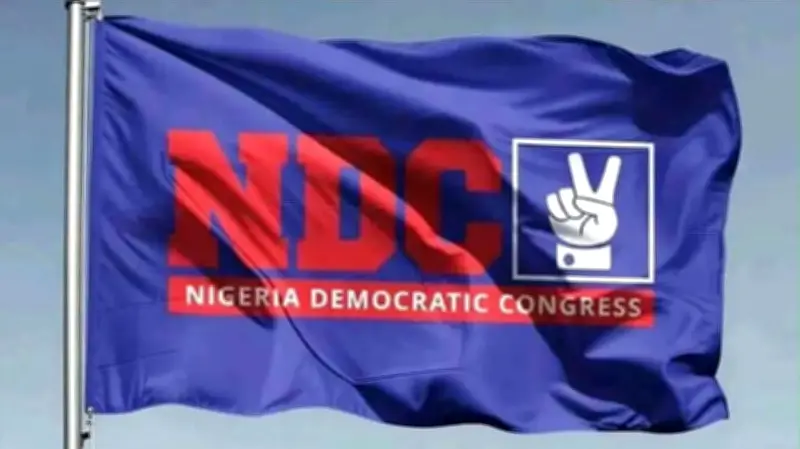
The outcome of the recently concluded Nigeria Democratic Congress (NDC) primaries in Anambra State has ignited intense political debate, as several new candidates have emerged victorious, reshaping the party's internal power dynamics and drawing attention to the role of national leadership in the ratification process.
Shift in Party Structure
Political observers note that the primaries produced a significant shift in the party's structure, with a number of grassroots-backed aspirants securing wins in key contests and displacing several established political figures. Among those who emerged victorious are Ifeanyi Iwuchukwu for the Onitsha North and South Federal Constituency, Ofumelu Vincent Ekene for the Oyi and Ayamelum Federal Constituency, Udekaigbo Chibuzo PhD for the Ihiala Federal Constituency, Chief Ebuka Onunkwo for the Anambra South Senatorial District, and Pastor Nonso Nwabueze Oli for the Anambra Central Senatorial District.
In the Anambra North Senatorial District, Senator Tony Nwoye ran unopposed and secured the party's ticket, a development attributed by his supporters to his grassroots popularity and political performance. He is expected to return to the race.
Defeat of Incumbent Senator
The most talked-about outcome of the primaries remains the reported defeat of incumbent Senator Victor Umeh in the contest for the Anambra Central Senatorial seat. This development has generated widespread reactions among party members and political stakeholders across the state.
Sources within the party indicate that some leaders and stakeholders affected by the emergence of new candidates are now looking to the national leadership and presidential candidate Peter Obi as the process moves toward official confirmation of the results. The situation has fueled speculation about the future direction of the party and the extent to which the final outcome will reflect the votes cast during the primaries.
Internal Democracy at Stake
Supporters argue that respecting the results would reinforce the principles of transparency, accountability, and internal democracy often associated with the party's leadership. Others believe the coming days will test the party's ability to manage competing interests while preserving unity.
As political attention remains fixed on Anambra, analysts say the primaries have evolved beyond a routine internal contest and now represent a critical moment for the credibility of the party's democratic process and its leadership.