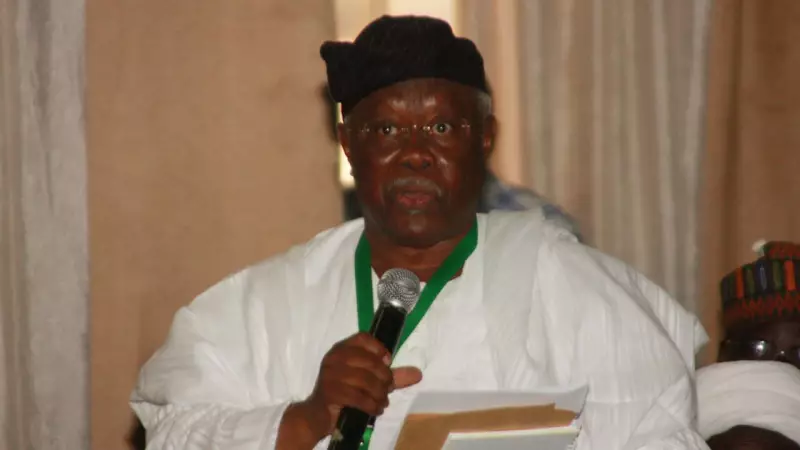
Nigerian political space has ignited with a fresh war of words as a prominent opposition figure raised alarm over the state of the nation's democracy, drawing a sharp rebuke from the ruling party in Lagos.
PDP Stalwart Sounds Alarm on Democratic Health
On Monday, 6 January 2026, former Deputy National Chairman of the Peoples Democratic Party (PDP), Chief Olabode George, issued a stark warning. He declared that Nigeria stands at a critical juncture in its democratic journey, citing growing pressures on opposition voices and worrying economic policies.
In a detailed statement assessing Nigeria's political and economic outlook for 2026, George argued that recent actions against dissenting politicians pose a direct threat to federalism and multi-party democracy. He specifically pointed to what he described as the harassment of two state governors: Bala Mohammed of Bauchi State and Seyi Makinde of Oyo State.
"Intimidating elected state executives for holding different political views is a dangerous path," George asserted. He warned that such actions undermine democratic pluralism and weaken the very foundation of the country's federal structure. He emphasized that a healthy democracy relies on the coexistence of diverse opinions, and sustained pressure could push the nation toward a de facto one-party system.
Economic Disconnect and Electoral Integrity Questioned
Beyond politics, Chief Bode George turned his criticism to the economic front. He highlighted a severe disconnect between government actions and the harsh realities facing millions of Nigerians. He questioned the timing of reported contributions for a private library for the First Lady, Senator Oluremi Tinubu, while citizens grapple with severe hardship.
Leadership, he insisted, must prioritize poverty alleviation and address pressing social needs over symbolic projects during difficult economic periods.
On the electoral process, the PDP chieftain directed a message at the Independent National Electoral Commission (INEC). He urged the body to uphold the highest standards of transparency and fairness to restore public confidence. George stressed that credible processes are non-negotiable for election outcomes to truly reflect the will of the voters, noting that disputed results and technical failures continue to erode trust.
Lagos APC Fires Back, Cites Opposition Failings
In a swift response issued the same day, the Lagos State chapter of the All Progressives Congress (APC) launched a counter-offensive. They criticized opposition parties for what they termed a chronic lack of direction, credible policy alternatives, and internal cohesion.
The Lagos APC, in its statement, observed that the opposition had entered the New Year of 2026 without a clear agenda for renewal. They argued that substantive political engagement had been replaced by mere expressions of dissatisfaction and public outrage.
"A weak and disorganised opposition is itself a risk to democratic development," the party stated. They maintained that democracy thrives on the contest of ideas, not on persistent confrontation or what they called institutional sabotage. The APC insisted that government criticism should be based on credible policy positions and accountability, rather than rhetoric and grievance-driven narratives.
The ruling party's statement concluded with an appeal for opposition groups to demonstrate greater acceptance of democratic outcomes, respect for the rule of law, and more responsibility in public discourse as the year unfolds.
This exchange sets a contentious tone for Nigeria's political landscape in 2026, highlighting deep-seated concerns about democratic resilience and the nature of political opposition.