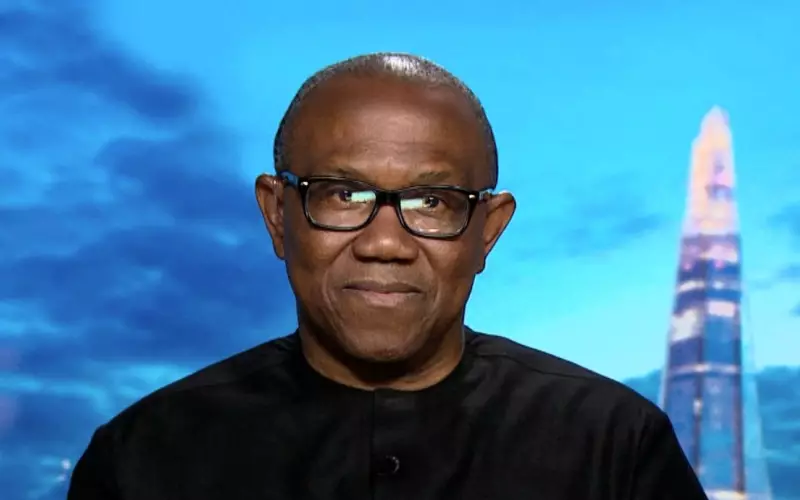
The formal defection of Peter Obi, the 2023 Labour Party presidential candidate, to the African Democratic Congress (ADC) has triggered a major political earthquake, exposing deep fractures within his former party and forcing a dramatic realignment of opposition forces ahead of the 2027 general elections.
Coalition Welcomes and Internal LP Rupture
The move, which was formally declared at a rally in Enugu on December 31, 2025, was immediately hailed by former Vice President Atiku Abubakar as a significant moment in the evolution of political coalitions in Nigeria. Atiku, in a social media post, expressed his pleasure at Obi's official declaration and looked forward to a robust working relationship within the ADC to foster a virile opposition.
However, the reaction from the Julius Abure-led faction of the Labour Party was scathing. The faction described Obi's exit as a liberation for the party and issued a stunning apology to Nigerians for presenting him as its flagbearer in 2023, calling it a major political miscalculation. The faction accused Obi and Abia State Governor Alex Otti of sponsoring actions to undermine Abure's leadership and claimed the party had effectively parted ways with Obi's camp since September 2024.
South-East Embraces ADC as New Platform
The Enugu declaration event served as a platform for a broader political shift in the South-East. A capacity crowd at the Nike Lake Resort witnessed leaders from across the region formally adopt the ADC as their preferred political vehicle. The gathering included defectors from the LP, PDP, YPP, APC, and APGA, such as former PDP National Secretary Okwesilieze Nwodo, former governors Achike Udenwa and Sam Egwu, and former Imo State governor Emeka Ihedioha.
In his address, Peter Obi stated the decision was driven by the need to offer Nigerians an alternative in the face of erosion of values, pervasive corruption, and worsening insecurity. He lamented the state of the nation, citing unprecedented hunger and insecurity, and vowed that plans to rig the 2027 elections would be lawfully resisted. ADC National Chairman David Mark welcomed the region, describing the South-East as a hub of enterprise and intellect, and promised fairness and genuine partnership within the party.
Doubt, Criticism, and a Key Holdout
Despite the fanfare, doubts about the coalition's viability were quickly raised. Political analyst Idowu Adelusi questioned whether competing presidential ambitions between figures like Atiku, Obi, and Rotimi Amaechi could be managed, suggesting time was not on their side. Conversely, Ohanaeze chieftain Goddy Uwazurike strongly opposed any idea of Obi shelving his ambition for Atiku, stating they represented old and new political orders respectively.
The Lagos State chapter of the All Progressives Congress (APC) criticised the defection as a politically calculated move rather than a genuine ideological shift. It accused the ADC coalition of being forged in grievance and lacking a clear policy foundation, while defending the Tinubu administration's focus on economic stabilisation.
In a significant development, Abia State Governor Alex Otti ruled out defecting with Obi. During a media briefing in Umuahia, Otti clarified that while he respected Obi's decision and gave him his blessings, he would remain in the Labour Party to continue the struggle to rescue it, as it was the platform that brought him to power.
The events of the last day of 2025 have undoubtedly reshaped the political battlefield. With the South-East rallying behind the ADC, the Labour Party in disarray, and a major opposition coalition forming amid internal skepticism, the race for 2027 has taken a decisive and contentious turn.