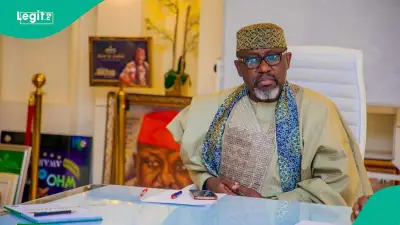
Senator Rufai Hanga, the Deputy Minority Whip of the Nigerian Senate, has officially announced his defection from the New Nigeria Peoples Party (NNPP) to the Nigeria Democratic Congress (NDC). This move, which took place on Tuesday, May 5, 2026, marks a significant shift in the political landscape ahead of the 2027 general elections.
Reasons for Defection
According to reports from Channels Television and The Cable, Hanga cited an ongoing internal crisis within the NNPP as the primary reason for his departure. In his resignation letter, he stated that the party's factional leadership disputes, conflicting directives, and irreconcilable differences among key stakeholders have created an unstable environment, making it impossible to effectively carry out his legislative duties.
Hanga, a close ally of former Kano State Governor Rabiu Kwankwaso, emphasized that the decision came after extensive consultations with his constituents and political associates. He expressed confidence that the NDC's ideals and policy direction align more closely with his commitment to effective representation, good governance, and democratic values.
Political Realignments Intensify
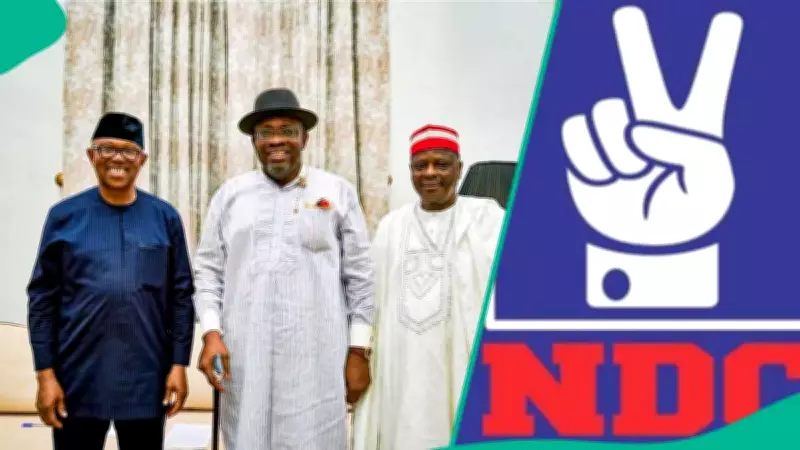
This defection adds to a growing trend of political realignments as the 2027 elections approach. Notably, on Sunday, April 3, 2026, two prominent opposition figures—Rabiu Kwankwaso and Peter Obi—also left the African Democratic Congress (ADC) to join the NDC. Their departure came just days after the Supreme Court judgment provided a lifeline to the ADC amid ongoing litigations.
Kwankwaso explained that he found the NDC's ideologies more compatible with his own and urged Nigerians to register with the party led by Seriake Dickson. Similarly, Senator Victor Umeh, representing Anambra Central, defected from the ADC to the NDC, citing prolonged internal disputes and endless litigation within his former party.
Impact on Opposition Unity
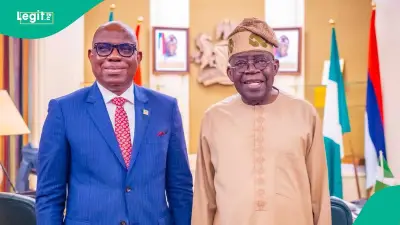
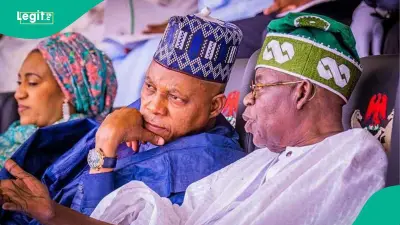
The series of defections signals fragmentation within opposition parties, despite earlier pledges in Ibadan, Oyo State, to unite behind a single presidential candidate to challenge President Bola Tinubu in the January 16, 2027, poll. The NDC appears to be emerging as a major opposition platform, attracting key figures from various parties.
Senator Hanga's move is expected to influence other lawmakers and party members, potentially triggering further defections. Political analysts view this as a strategic realignment aimed at strengthening the opposition's chances in the upcoming elections.
In his formal notice to the Senate, Hanga requested that his defection be accepted in accordance with established legislative procedures. The development underscores the dynamic nature of Nigerian politics as parties and politicians reposition themselves for the 2027 electoral contest.