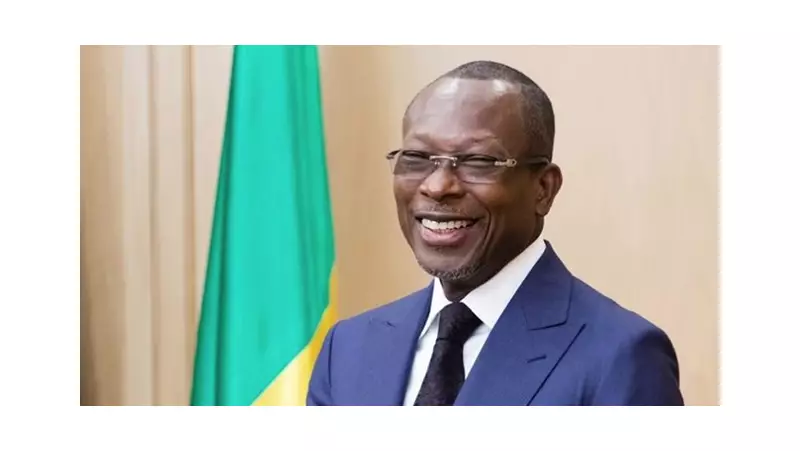
Political instability has once again shaken West Africa, with a reported military coup attempt in Benin Republic on Sunday. This incident adds to a concerning pattern of military interventions that have swept across the African continent over the past five years. While Benin's President Patrice Talon was reported safe and the army claimed to be regaining control, the event underscores a persistent trend of governance by force.
A Timeline of Recent Military Takeovers
The last half-decade has witnessed a significant number of successful coups d'état, reversing democratic gains in several nations. Here is a detailed recap of the ten successful military seizures of power in Africa from 2020 to 2025.
Coups in the Sahel and West Africa
Mali experienced two coups in quick succession. First, President Ibrahim Boubacar Keita was overthrown by army colonels in August 2020. Then, in May 2021, the military again took power from civilian interim leaders. Colonel Assimi Goita, who led both actions, was sworn in as transitional president. Despite initial promises, elections planned for February 2024 were postponed indefinitely due to jihadist violence. In a move consolidating power, Goita approved a law in July 2025 granting himself a five-year presidential mandate, renewable without an election.
In Guinea, mutinous troops led by Lieutenant-Colonel Mamady Doumbouya arrested President Alpha Conde on September 5, 2021. Doumbouya later submitted his candidacy in early November 2025 for elections scheduled for December 28 of that year, which were intended to restore constitutional order.
Burkina Faso saw two coups in 2022. In January, Lieutenant-Colonel Paul-Henri Sandaogo Damiba arrested President Roch Marc Christian Kabore. By September, army officers announced they had dismissed Damiba, installing Captain Ibrahim Traore as transitional president. Elections failed to materialize, and in May 2024, the junta authorized Traore to remain in power for another five years.
The presidential guard in Niger overthrew President Mohamed Bazoum on July 26, 2023. General Abdourahamane Tiani, the guard's head, took charge. By March 2025, the junta extended its transitional rule by at least five more years.
Coups in Central and Southern Africa
In SudanOctober 25, 2021. The situation drastically worsened when war erupted in April 2023 between Burhan's regular army and the paramilitary Rapid Support Forces. This conflict has caused tens of thousands of deaths and a severe humanitarian crisis.
Gabon's long rule by the Bongo family ended on August 30, 2023, when army officers ousted President Ali Bongo Ondimba shortly after a disputed election. General Brice Oligui Nguema was named transitional president and was later elected in April 2025 with 94.85% of the vote under a new constitution.
Most recently, in October 2025, the military ousted Madagascar's President Andry Rajoelina following weeks of "Gen Z" protests. Army colonel Michael Randrianirina was sworn in, promising elections within 18 to 24 months.
In November 2025, military officers in Guinea-Bissau declared "total control," closing borders and suspending the electoral process just days after general elections. A military command assumed leadership of the country indefinitely.
Consequences and a Continent at a Crossroads
The cumulative impact of these ten coups is profound. They have disrupted democratic processes, extended military rule often under the guise of transitional periods, and exacerbated security and humanitarian challenges, particularly in the Sahel region where jihadist violence is rampant. The attempted coup in Benin serves as a stark reminder that the factors driving military interventions—including political grievances, security failures, and economic instability—remain potent forces across the continent.
This wave of political instability poses significant questions about the future of democratic governance and regional stability in Africa, challenging both continental bodies like the African Union and the international community to find effective responses.