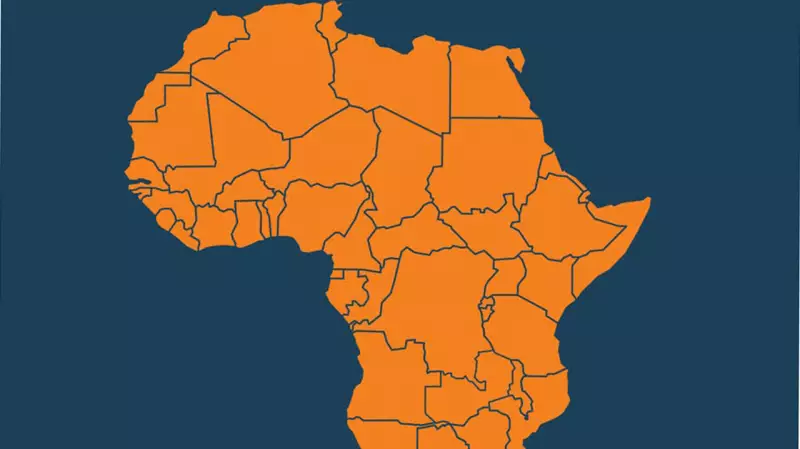
The political landscape of Africa has been profoundly shaken by a resurgence of military interventions. A recent coup attempt in Benin on Sunday, where soldiers announced the ousting of President Patrice Talon, adds to a growing list of political upheavals. While Talon's entourage declared he was safe and the army was regaining control, the incident underscores a turbulent trend. Over the past five years, the continent has seen ten successful military coups, each reshaping nations and delaying democratic processes.
A Chronology of Takeovers: From Mali to Madagascar
The wave began in August 2020 in Mali, when five army colonels overthrew President Ibrahim Boubacar Keita. Colonel Assimi Goita, who led that coup, later orchestrated a second takeover in May 2021, removing the civilian interim leaders. Goita was sworn in as transitional president and, after delaying promised elections, approved a law in July 2025 granting himself a five-year mandate, renewable without a vote.
In September 2021, mutinous troops in Guinea, led by Lieutenant-Colonel Mamady Doumbouya, arrested President Alpha Conde. Doumbouya has since submitted his candidacy for elections scheduled for December 28, 2025. Just a month later, in October 2021, Sudan's armed forces, led by General Abdel Fattah al-Burhan, staged a coup ending a fragile power-sharing agreement. This plunged the country into a devastating war since April 2023 between the regular army and paramilitary forces, creating a major humanitarian crisis.
Multiple Coups and Extended Transitions
Burkina Faso experienced two coups in 2022. First, Lieutenant-Colonel Paul-Henri Sandaogo Damiba seized power in January, only to be dismissed by other army officers in September, bringing Captain Ibrahim Traore to power. The junta later authorized Traore to stay for another five years from May 2024.
The trend continued in 2023. In July, Niger's presidential guard overthrew President Mohamed Bazoum, with General Abdourahamane Tiani taking charge and later extending the transition by five years in March 2025. In August, Gabon's army ended 55 years of Bongo family rule, ousting President Ali Bongo Ondimba after a contested election. General Brice Oligui Nguema was installed and later elected president in April 2025.
The most recent confirmed coups occurred in late 2025. In October, Madagascar's military removed President Andry Rajoelina following youth-led protests, installing Colonel Michael Randrianirina. In November, Guinea-Bissau's military seized "total control," suspending the electoral process just days after general elections.
Patterns and Consequences of Instability
A clear pattern emerges from these events. Many coups occur in nations plagued by jihadist violence and insurgency, such as Mali, Burkina Faso, and Niger, where militaries cite security failures as justification. Furthermore, transitional governments frequently postpone promised elections, often extending military rule for years. The case of Mali, where Colonel Goita effectively institutionalized his rule, is a stark example.
The consequences are severe. These interventions disrupt constitutional order, often lead to international sanctions and regional tensions, and can exacerbate existing security and humanitarian challenges, as seen tragically in Sudan. The promise of a swift return to civilian rule repeatedly gives way to prolonged military governance, leaving the democratic aspirations of millions in limbo across the continent.