Major Political Realignment as 12 Federal Lawmakers Change Party Allegiances
In a significant development within Nigeria's political landscape, twelve members of the House of Representatives have officially announced their defection from various political parties, marking one of the most substantial political shifts in recent parliamentary history.
Detailed Breakdown of Defections
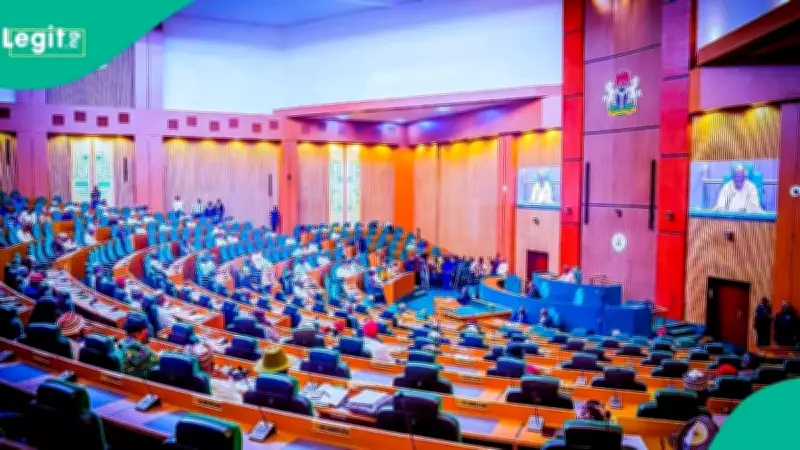
The defections occurred during a plenary session on Thursday, March 12, 2026, with Deputy Speaker Hon. Benjamin Kalu formally announcing the political realignments to the legislative body. The movement of lawmakers represents a notable redistribution of political power within the lower chamber of the National Assembly.
First Group: PDP to APC Transition
Six lawmakers officially announced their defection from the opposition Peoples Democratic Party (PDP) to join the ruling All Progressives Congress (APC). This movement from the primary opposition party to the governing party signals a strengthening of the APC's legislative position and potentially weakens the PDP's influence in key parliamentary matters.
Second Group: YPP and LP to ADC Movement
Another six members announced their defections from the Young Progressives Party (YPP) and Labour Party (LP) to join the African Democratic Congress (ADC). This represents a consolidation of smaller party members under the ADC banner, potentially creating a more substantial third force within the House of Representatives.
Political Implications and Analysis
The simultaneous defection of twelve federal lawmakers carries significant implications for Nigeria's political dynamics:
- Legislative Balance: The defections alter the numerical strength of political parties within the House of Representatives, potentially affecting voting patterns on crucial legislation.
- Constituency Representation: Each defecting lawmaker represents specific constituencies, meaning their political realignment could influence voter sentiment and party loyalty in their home regions.
- Party Strategy: The movement suggests strategic positioning by both receiving and losing parties ahead of future electoral cycles and legislative agendas.
- Parliamentary Proceedings: With Deputy Speaker Benjamin Kalu overseeing the announcement, the defections followed proper parliamentary protocol, ensuring their official recognition within legislative records.
The timing of these defections, occurring during a regular plenary session, indicates careful planning and coordination among the defecting lawmakers. Such mass political movements typically reflect underlying calculations about party viability, leadership direction, and electoral prospects.
Political observers will be monitoring how these defections affect committee assignments, legislative priorities, and the overall balance of power within the House of Representatives in the coming weeks and months.