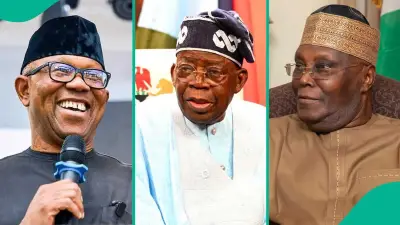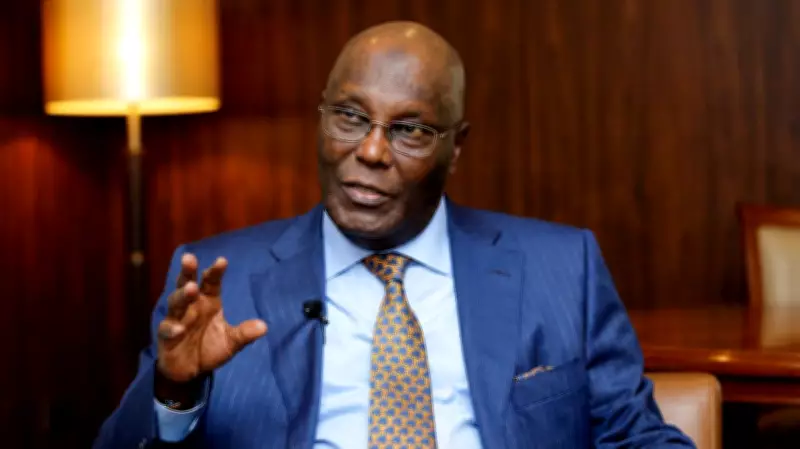
Former Vice President Atiku Abubakar has once again secured a presidential ticket, this time from the African Democratic Congress (ADC), setting the stage for another attempt at Nigeria's highest office in 2027. With President Bola Tinubu standing in his path, questions arise about whether Atiku can finally achieve his long-sought victory. SEYE OLUMIDE examines the prospects.
Atiku's Enduring Political Journey
For over three decades, Atiku Abubakar has been a persistent figure in Nigerian politics. From the aborted transition of the 1990s to the 2027 elections, he has navigated shifting alliances, party defections, and electoral defeats. After defeating former Rivers State Governor Rotimi Amaechi and businessman Mohammed Hayatu-Deen in the ADC primary, the Turaki Adamawa is once again in the race.
Atiku served as Vice President under Olusegun Obasanjo from 1999 to 2007. He contested under the Action Congress in 2007, sought the PDP ticket in 2011, joined the APC primary in 2015, and flew the PDP flag in 2019 and 2023. His political career began in 1993 when he lost the SDP ticket to M.K.O. Abiola.
Key Presidential Attempts
Atiku's 2027 bid marks his sixth major presidential attempt and fourth party platform since 2007. In 2007, after falling out with Obasanjo, he joined the Action Congress and finished third with 2.6 million votes. In 2011, he returned to the PDP but lost the primary to Goodluck Jonathan. In 2015, he joined the APC but lost the primary to Muhammadu Buhari.
His strongest performance came in 2019, when he won 17 states and the FCT under the PDP, but lost to Buhari. The 2023 election was a setback, as Peter Obi's Labour Party candidacy fractured the opposition, and Atiku finished second with nearly 7 million votes.
Challenges Ahead
Atiku faces significant obstacles in 2027. Zoning debates argue that power should remain in the South until 2031, given Tinubu's first term. The ADC coalition must manage internal disputes and unite the opposition. Atiku's age (80 by 2027) raises generational concerns, though no constitutional barrier exists.
Incumbent President Tinubu controls federal structures and has expanded influence. The Peter Obi factor could split anti-APC votes again. Atiku must rebuild the 2019 coalition, recover South-East support, and challenge Tinubu's Southwest stronghold.
Divergent Views
Some critics, like Ohanaeze chieftain Goddy Uwazurike, argue Atiku should support a younger candidate. APC chieftain Jamiu Ekungba questions his campaign substance. However, Yoruba Ronu Leadership Forum's Akin Malaolu defends Atiku's right to contest, citing global examples like Abraham Lincoln and Buhari.
Ultimately, Atiku's 2027 bid poses a familiar question: Can persistence deliver the presidency, or will incumbency and electoral realities prevail? The answer may shape Nigeria's opposition politics for years.