ADC Accuses Federal Government of Politically Motivated Harassment of El-Rufai
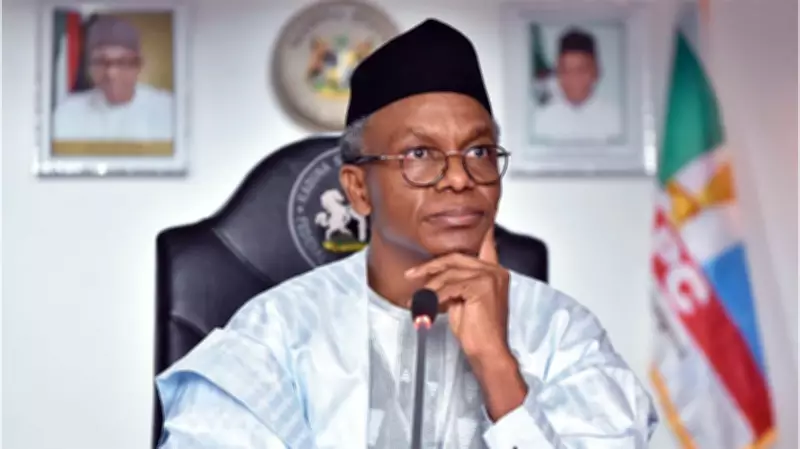
The leadership of the African Democratic Congress (ADC) in Kaduna State has raised serious concerns over what it describes as the systematic persecution and harassment of former Governor Nasir el-Rufai and other opposition figures. According to the party, these actions are politically motivated by the Federal Government and pose a significant threat to democratic principles in Nigeria.
Press Conference Highlights Allegations
During a press conference held in Kaduna, ADC leaders accused the government of orchestrating a sustained campaign aimed at undermining opposition leaders. Prof. Sani Bello, an ADC chieftain, read a statement warning that such actions could erode public trust in governance and destabilize the democratic framework. The party emphasized the need for vigilance from civil society groups and the international community to monitor these developments closely across Kaduna State and the entire nation.
Claims of Abuse of State Institutions
Prof. Bello highlighted a troubling pattern of abuse involving key federal agencies, including the Independent Corrupt Practices and Other Related Offences Commission (ICPC), the Economic and Financial Crimes Commission (EFCC), and the Department of State Services (DSS). The ADC alleged that these agencies have pursued actions against el-Rufai and his associates without presenting credible evidence, suggesting a misuse of state power for political ends. The party contends that this disregard for due process and democratic norms is aimed at tarnishing el-Rufai's reputation and diminishing his influence as a prominent opposition figure.
Implications for Democracy
The ADC's statement underscores broader fears about the health of Nigeria's democracy. By targeting opposition figures through what it calls politically motivated harassment, the party warns that such practices could lead to a decline in political freedom and accountability. The call for external monitoring reflects concerns that internal mechanisms may be insufficient to address these issues, potentially requiring intervention from global observers to safeguard democratic integrity.