Adelabu Resigns as Power Minister Amid Cabinet Shake-Up and Anxiety Over Exits
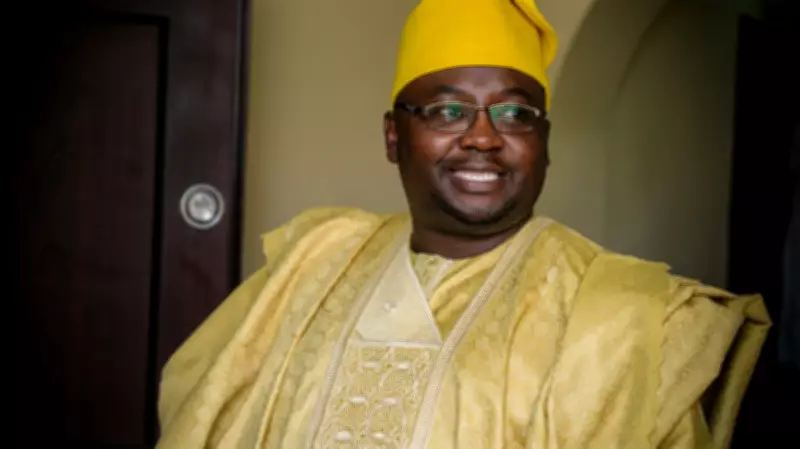
The Federal Executive Council (FEC) is gripped by renewed apprehension following the unexpected departure of two ministers, with Federal Minister of Power Adebayo Adelabu resigning yesterday to pursue his governorship ambition in Oyo State. This move deepens vacancies within the cabinet, fueling fears of a broader shake-up among President Bola Tinubu's ministers.
Cabinet Reshuffle Sparks Ministerial Anxiety
Concerns had been mounting over the performance of certain cabinet members, with critics alleging that some ministers contributed little to the administration or were ill-suited to their roles. There were widespread speculations that the cabinet might be further adjusted to bring in fresh hands with political sagacity to marshal the President's second-term logistics ahead of the January presidential poll.
Reflecting the tense mood, a minister humorously remarked to journalists at the Presidential Villa, "There is an earthquake going on; everyone is in panic mode now." While some observers commended the President for the reshuffle, others argued that further changes are necessary, suggesting underperforming ministers should be relieved or reassigned to more useful positions.
Adelabu's Exit and Energy Proposal
Adelabu, who skipped the March 31 deadline for ministers seeking elective office, resigned after a meeting with President Tinubu, formalizing an exit that had been speculated since March. In his resignation letter dated April 22, effective April 30, he expressed gratitude for the opportunity to serve, citing the Amended Electoral Act 2026, which bars serving political office holders from contesting elections.
Beyond his resignation, Adelabu proposed a major policy initiative: the establishment of a Coordinating Minister for Energy to harmonize oversight of Nigeria's fragmented power, gas, water resources, and environmental-linked energy systems. He argued that stronger central coordination is essential to sustain electricity sector reforms and align policy execution across the energy value chain.
In his letter, Adelabu outlined key achievements during his tenure, including:
- Implementation of the Electricity Act 2023, decentralizing the electricity market.
- Peak power generation rising above 6,000 megawatts.
- Improved regulatory oversight and reduced ATC&C losses.
- Sector revenues increasing from N1 trillion in 2023 to N2.3 trillion in 2025.
Despite these gains, he acknowledged persistent challenges like gas supply shortages and infrastructure vandalism, proposing corrective measures such as cost-reflective tariffs and accelerated metering.
Presidency Clarifies Ministerial Exits
Amid the uncertainty, the Presidency clarified that Finance Minister Wale Edun and Housing Minister Ahmed Musa Dangiwa voluntarily resigned and were not removed. Official sources stated Edun resigned on health grounds before his replacement was announced, with the 70-year-old economist facing recent health challenges. He submitted a resignation letter on his birthday, expressing gratitude to the President.
Similarly, Dangiwa resigned, thanking the President for the opportunity. An architect by training, he had previously served as Managing Director of the Federal Mortgage Bank of Nigeria and Secretary to the Katsina State Government.
Contractor Reactions and Senate Confirmations
The Group of Nigerian Contractors (GNC) commended Edun's exit, describing it as long overdue due to persistent delays in settling debts owed to contractors. Chairman Jauji Ibrahim alleged that despite presidential approval for payments, the Ministry of Finance under Edun failed to act urgently, causing financial strain with many contractors servicing high-interest loans.
Meanwhile, President Tinubu has sought Senate confirmation for Muttaqha Rabe Darma as the new Housing Minister and Lamido Yuguda as Deputy Governor of the Central Bank of Nigeria. The Senate President referred these requests to relevant committees for expedited consideration.
This reshuffle highlights ongoing adjustments within the Tinubu administration as it navigates political ambitions, performance critiques, and structural reforms in key sectors like energy and finance.