OECD Backs Tinubu's Reforms, Targets Deeper Investment Partnership with Nigeria
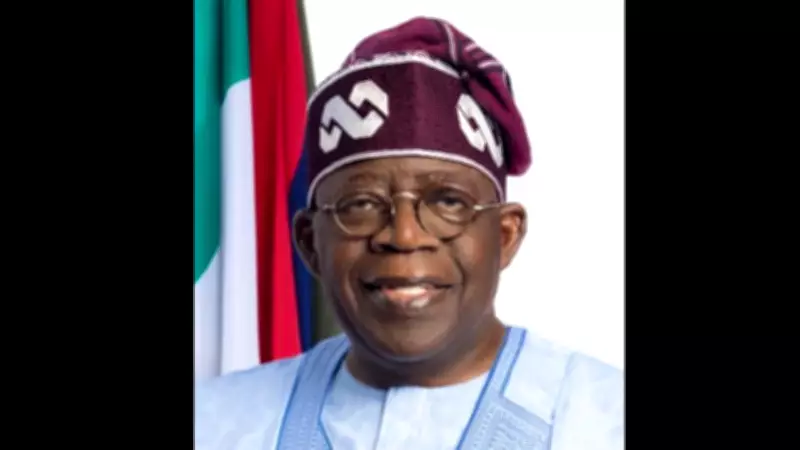
The Organisation for Economic Co-operation and Development (OECD) has expressed strong support for President Bola Tinubu's economic reform agenda, pledging enhanced collaboration with Nigeria to bolster investor confidence, improve policy planning, and attract sustainable long-term capital inflows. This commitment was made during a meeting between President Tinubu and senior OECD officials on Friday in Kigali, on the sidelines of the Africa CEO Forum 2026.
Discussions centered on how the OECD could assist Nigeria's reform priorities through data-driven economic and investment frameworks. Key areas of focus included public finance management, trade competitiveness, investment facilitation, micro, small, and medium enterprise (MSME) growth, agriculture, pharmaceuticals, and solid minerals development.
OECD Deputy Secretary-General Frantisek Ruzicka commended the Tinubu administration's policy direction, particularly reforms aimed at improving public finances and restructuring the economy. "We support and understand the pillars of your reforms. I think other leaders should learn from you, especially in improving public finances and working conditions. OECD can be partners with you on the ongoing reforms, particularly the priorities," Ruzicka stated.
The talks also addressed challenges related to Africa's risk perception and the need to create a more transparent and predictable investment environment capable of attracting sustainable capital. President Tinubu emphasized that Africa must redefine global perceptions of its business environment by demonstrating greater accountability, transparency, and discipline in project execution. "Africa's risk perception must change. Africa must be disciplined and accountable over various projects. We welcome structured cooperation between Nigeria and OECD in support of ongoing reforms in Nigeria," the President said.
Tinubu defended major economic decisions of his administration, including the removal of fuel subsidies and the unification of the foreign exchange market. He insisted these measures were essential to stabilize the economy and ensure fairness. "The removal of the subsidy was necessary. Yes, there was a fight back. Easy access is hard to give up. Even the multiple exchange rates had to go. I have come to serve my people, not to benefit a few," he explained.
The President stressed the need for Africa to deepen value-chain development, especially in agriculture and pharmaceuticals. He noted that the continent must move beyond exporting raw materials to building productive industrial economies. The meeting further explored opportunities under the African Continental Free Trade Area (AfCFTA) framework, including regional trade integration, support for small businesses, and greater participation of African firms in global value chains.
Specific areas identified for potential collaboration include pharmaceuticals, regional industrialization, MSME support, agriculture, investment promotion, solid minerals development, and tax-to-GDP reforms. The OECD also highlighted investment screening mechanisms and structured policy engagement models that could support investor decision-making and improve access to financing.
President Tinubu reiterated that transparency, market confidence, and policy consistency will remain central to Nigeria's economic strategy as the country aims to position itself as a competitive investment destination in Africa.