Andy Burnham Takes Office as UK Prime Minister
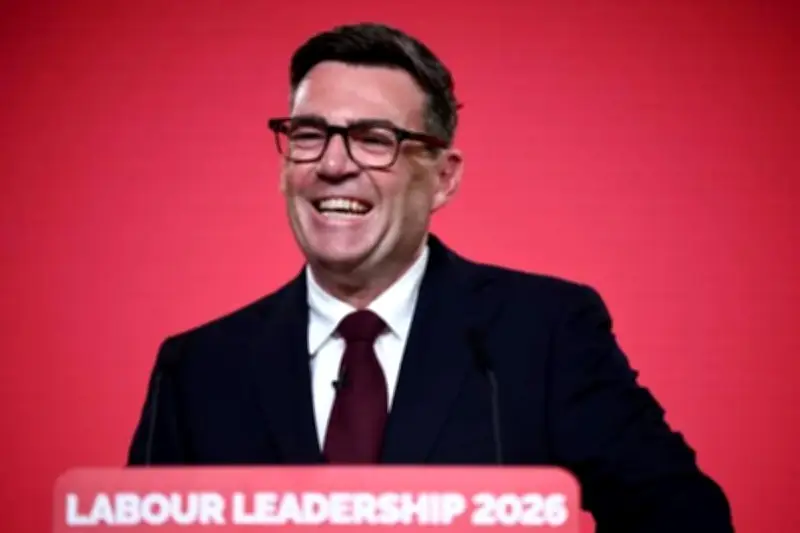
Andy Burnham has been sworn in as the new Prime Minister of the United Kingdom, succeeding Keir Starmer who resigned earlier today. The transition of power occurred at Buckingham Palace where Burnham accepted the Queen's invitation to form a government. This unexpected change in leadership comes amid growing discontent within the Labour Party over Starmer's handling of recent policy decisions and internal divisions.
Keir Starmer's Resignation
Keir Starmer announced his resignation in a brief statement outside 10 Downing Street, citing personal reasons and a desire to allow new leadership to guide the party through upcoming challenges. “It has been an honour to serve as Prime Minister, but I believe it is time for a fresh perspective to lead our nation forward,” Starmer said. His tenure was marked by efforts to stabilize the economy post-pandemic and navigate Brexit complexities, though critics pointed to stalled progress on key domestic issues.
According to sources close to the Labour Party, Starmer's decision was influenced by recent polling data showing declining public approval and internal pressure from party members. The resignation took effect immediately, triggering a swift leadership transition within the party.
Burnham's Vision and Priorities
In his inaugural address, Burnham outlined a vision focused on national unity, economic recovery, and social justice. He emphasized plans to invest in infrastructure, healthcare, and education, while addressing regional inequalities. “We will build a Britain that works for everyone, not just a privileged few,” Burnham declared. He also pledged to restore trust in government through transparency and accountability.
Burnham, who previously served as Mayor of Greater Manchester, brings experience in regional governance and a reputation for pragmatic leadership. His appointment has been met with cautious optimism from political analysts, who note his ability to bridge factions within the Labour Party.
Immediate Challenges Ahead
The new Prime Minister faces several pressing issues, including rising inflation, public sector strikes, and ongoing negotiations with the European Union over trade arrangements. Burnham has indicated he will prioritize dialogue with union leaders to resolve industrial disputes and seek a balanced approach to fiscal policy. On the international front, he reaffirmed the UK's commitment to NATO and support for Ukraine amidst the ongoing conflict.
Political commentators expect Burnham to reshuffle his cabinet in the coming days, potentially bringing in fresh faces to signal a break from the previous administration. The opposition Conservative Party has called for a general election, arguing that Burnham lacks a popular mandate. However, Burnham maintains that his government will focus on delivering results rather than engaging in political games.
Reactions and Analysis
Reactions to Burnham's appointment have been mixed. Labour figures praised his leadership skills and grassroots connections, while critics questioned his ability to unite the party. According to a recent opinion poll by YouGov, 42% of respondents expressed approval of Burnham becoming Prime Minister, with 35% disapproving. The poll surveyed 2,000 adults across the UK.
“This is a pivotal moment for British politics. Burnham's success will depend on his ability to address economic challenges and heal divisions within his party,” said Dr. Emily Hart, a political science professor at the University of London. The coming weeks will be crucial as Burnham sets his agenda and faces his first parliamentary session.