Atiku Abubakar Announces 2027 Election as His Final Presidential Attempt
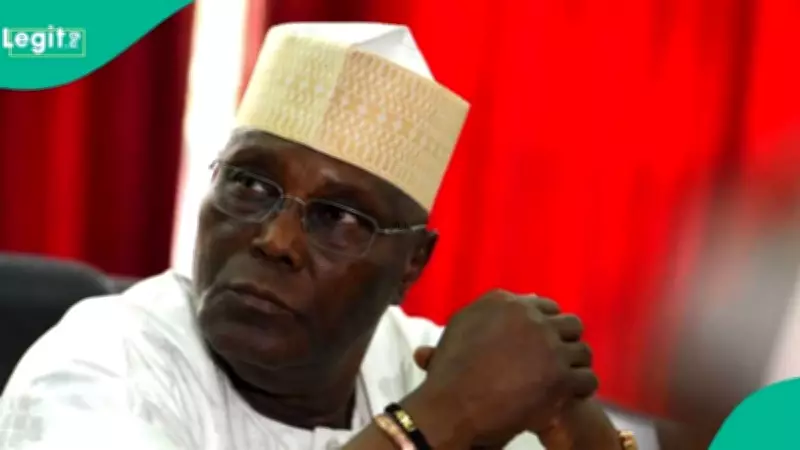
Former Vice-President Atiku Abubakar has made a significant declaration regarding his political future, stating that the 2027 general election will be his last attempt to secure the presidency of Nigeria. This announcement was made during an interview on Arise TV on Wednesday, April 15, 2026, marking a pivotal moment in his long-standing political career.
Details of the Announcement
In the interview, Abubakar confirmed that he will not pursue the presidency beyond the 2027 elections, effectively setting a deadline for his ambitions. This decision comes after multiple previous bids, including his runs in 2019 and 2023, where he contested as a major candidate but was unsuccessful in clinching the top office.
The former vice-president emphasized his commitment to the democratic process and his ongoing efforts to contribute to Nigeria's development through political engagement. His statement has sparked discussions among political analysts and supporters about the implications for the upcoming election cycle and the broader landscape of Nigerian politics.
Background and Political Journey
Atiku Abubakar, a seasoned politician and businessman, has been a prominent figure in Nigerian politics for decades. He served as vice-president from 1999 to 2007 under President Olusegun Obasanjo and has since been a key player in opposition politics, often advocating for economic reforms and federal restructuring.
His announcement adds a new layer to the pre-2027 election dynamics, as it signals a potential shift in leadership within his political circles and could influence candidate selections and alliances. Observers note that this move might open opportunities for younger aspirants while highlighting Abubakar's legacy and enduring influence.
Reactions and Future Outlook
Following the interview, reactions have been mixed, with some praising his perseverance and others questioning the timing of such a declaration. Supporters view it as a strategic step to galvanize his base for one final push, while critics argue it could undermine his campaign by framing it as a last-ditch effort.
As Nigeria prepares for the 2027 elections, Abubakar's statement is expected to shape political discourse, with analysts predicting increased focus on policy debates and candidate viability. His commitment to bowing out after this attempt underscores the evolving nature of political careers in the country and sets the stage for a highly contested race.