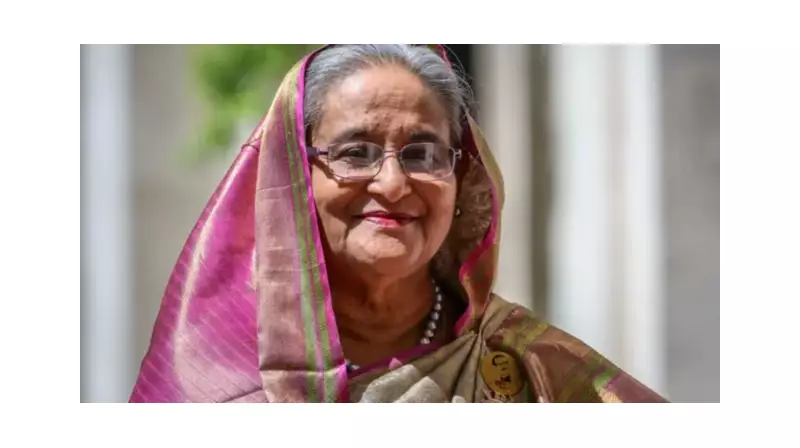
Former Bangladesh Leader Receives Death Penalty for Protest Crackdown
A special tribunal in Bangladesh has delivered a historic verdict, sentencing former Prime Minister Sheikh Hasina to death for crimes against humanity committed during last year's violent suppression of student protests.
The 78-year-old former leader, who is the aunt of British Labour MP Tulip Siddiq, was found guilty of multiple charges including murder, extermination, torture and other inhumane acts. The three-judge bench conducted the trial in her absence as Hasina has been living in exile in India since being forced from power in 2024.
The Violent Crackdown and Its Aftermath
The United Nations human rights office estimates that up to 1,400 people lost their lives, mostly from gunfire by security forces, during the government's response to what began as peaceful student demonstrations. The court also heard that approximately 25,000 people sustained injuries during the crackdown.
What started as protests over civil service job quotas quickly transformed into a nationwide movement demanding Hasina's resignation. The turning point came when the government authorized a massive security operation that resulted in widespread casualties.
Judges stated that it was "crystal clear" that Hasina had incited her party activists and explicitly ordered the elimination of protesting students. "Sheikh Hasina committed crimes against humanity by her incitement, order and failure to take punitive measures," one judge declared while delivering the verdict.
Legal Proceedings and International Response
The former prime minister faced five specific charges related to:
- Inciting the murder of protesters
- Ordering protestors to be hanged
- Authorizing the use of lethal weapons
- Deploying drones and helicopters against civilians
Hasina has consistently denied all charges against her. Her legal team has raised serious concerns about the fairness of the trial process, submitting an appeal to the United Nations Special Rapporteur on extrajudicial, summary or arbitrary executions.
The interim Bangladeshi government has formally requested India to extradite Hasina, but New Delhi has remained silent on the matter so far. The verdict has raised fears of potential political chaos in Bangladesh, especially with national elections scheduled for February next year.
Hasina ruled Bangladesh with an iron fist from 2009 until her ouster in 2024, when student protesters successfully forced her and her Awami League political party from power. She has been residing in self-imposed exile in New Delhi since August last year.