President Shahabuddin Steps Down Over Health Issues
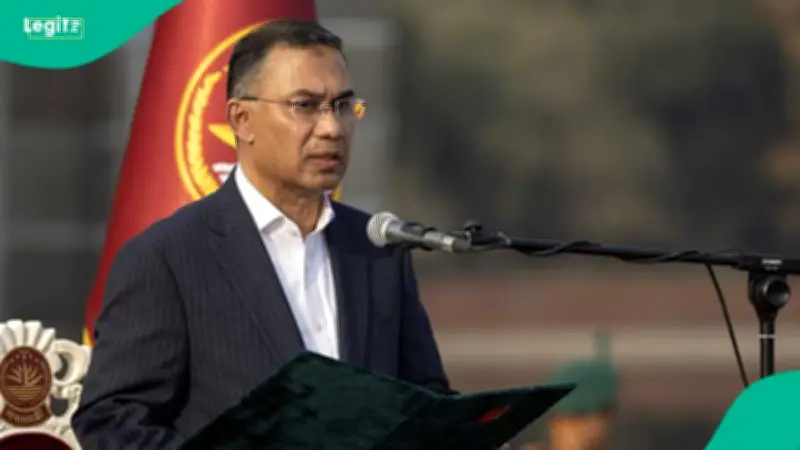
Bangladesh President Mohammed Shahabuddin, aged 76, resigned on Friday, citing a diagnosed neurological condition that he said had begun to affect his physical functioning. The resignation was confirmed through a written statement released by his press secretary. Shahabuddin has held the largely ceremonial presidency since April 2023.
“Recent medical examinations have diagnosed me with a condition known as Autonomic Neuropathy. Due to this condition, I occasionally experience momentary loss of consciousness,” Shahabuddin said in the statement. Reuters had reported on Thursday that the resignation was expected by Friday.
Shahabuddin’s Ties to Sheikh Hasina
Shahabuddin’s exit leaves ousted Prime Minister Sheikh Hasina without a single ally in a position of power, and comes roughly five months before her reported plan to return to the country. Hasina fled to India in 2024 after a student-led mass uprising dismantled her government. Her Awami League party has since been banned, with scores of its leaders either arrested or forced underground.
Shahabuddin had been seen as a figure connected to Hasina’s political circle, making his presidency a point of contention during the transitional period that followed her removal.
Who Takes Over
Under the country’s constitutional arrangement, the speaker of the Jatiya Sangsad, the national parliament, will perform the duties of the president while a new one is chosen through an election.
Although the president serves as commander-in-chief of the armed forces in Bangladesh, a mainly Muslim country of 173 million people, executive authority lies firmly with the prime minister and cabinet. The role is largely symbolic under the country’s system of government.
Bangladesh PM Denounces ‘Tragedy’ of Rich Nations
Legit.ng earlier reported that a country of fertile, densely populated deltas, low-lying Bangladesh is among the most vulnerable nations in the world to climate change. But the urgency of the situation is not being matched by actions of countries responsible for emissions, Prime Minister Sheikh Hasina said. “They don’t act. They can talk but they don’t act,” she told AFP on a visit to New York for the United Nations General Assembly. “The rich countries, the developed countries, this is their responsibility. They should come forward. But we are not getting that much response from them. That is the tragedy,” she said.