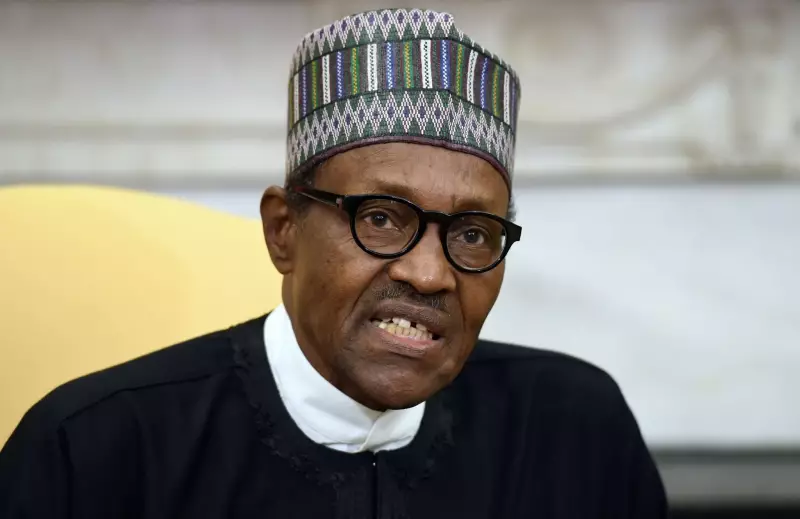
In a stunning revelation, Fatima Buhari, the daughter of Nigeria's former President Muhammadu Buhari, has disclosed that her father's official signature was forged on state documents during his tenure. These explosive claims are detailed in a new biography titled 'From Soldier to Statesman: The Legacy of Muhammadu Buhari', authored by Charles Omole.
Forensic Audit Uncovers Forgery
Fatima Buhari, who is a trained forensic auditor, stated that she personally reviewed official papers and identified fake signatures appended to her father's name. She presented these forged documents to the late president himself, confirming his suspicions. According to the book, this was not an isolated incident, as other officials had previously raised concerns about the authenticity of the president's signature on certain papers.
The biography explains that this problem of document and signature forgery did not begin with the Buhari administration. Fatima noted that similar issues plagued previous governments, suggesting a systemic weakness within the bureaucratic machinery of the presidency.
Speeches Altered and Directives Diluted
Perhaps more alarming are the accounts of presidential speeches and directives being changed without approval. The book recounts a specific event during a trip to the United States. Fatima, who was in the audience, observed her father struggling through a speech. When she later questioned him, he revealed that the text he was given to read was not the version he had approved. Someone had altered it. President Buhari indicated this was not a rare occurrence, leading him to sometimes discard the prepared script and speak extemporaneously.
The author describes a pattern of "misrepresentation" where the intent of presidential directives was subtly deformed as documents moved from desk to desk. While sometimes attributed to bureaucratic errors, the book suggests that on other occasions, it was the deliberate work of a clique within the system.
A Climate of Distrust and Surveillance
The biography paints a picture of a presidency operating under a cloud of suspicion. It reveals that the late president believed his official residence in the State House was bugged. He allegedly told his daughter he thought a listening device, "like a chip," was planted in his office at the Villa.
This belief led to extraordinary precautions. Fatima recounts instances where she and her father, fearing eavesdropping, would communicate by writing notes to each other on paper instead of speaking aloud. The book states that some security chiefs who served under Buhari confirmed the discovery of unusual objects during routine security sweeps of the president's office and living quarters.
These revelations, emerging from a biography released on December 19, 2025, offer a rare and troubling glimpse into the inner workings and security challenges of Nigeria's highest office. They raise serious questions about the integrity of governmental processes and the security of the nation's commander-in-chief.