Cameroon President Appoints Son to Key Leadership Positions
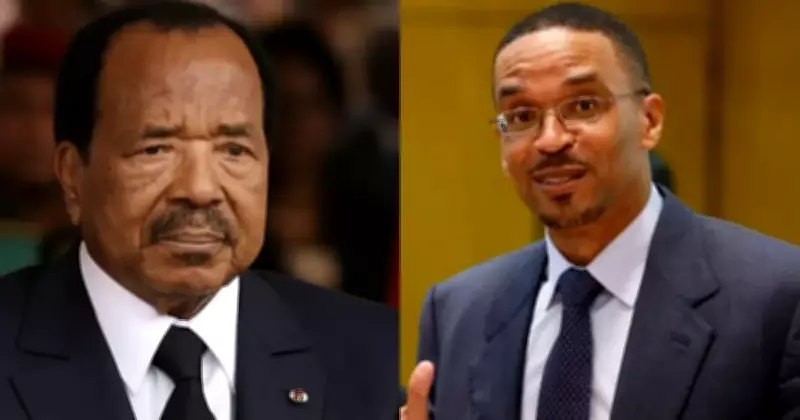
In a move that has sparked significant political debate, Cameroon's President Paul Biya has appointed his son, Franck Emmanuel Biya, to the dual roles of Vice President of the Republic and Head of the Armed Forces. This decision comes at a time of considerable unrest in the nation and raises important questions about succession planning and the consolidation of power within the Biya family.
Official Decree and Expanded Authority
The appointment was formalized through a presidential decree issued on April 4, 2026, which not only designates Franck Biya as Vice President but also names him as Minister Delegate at the Ministry of Defence. This places the younger Biya at the very center of Cameroon's security apparatus, giving him substantial influence over both political and military matters.
The official document states clearly: "Mr Franck Emmanuel Biya is appointed Vice President of the Republic of Cameroon" and further adds: "Mr Franck Emmanuel Biya is appointed Head of the Armed Forces." The decree elaborates that these appointments were made in accordance with constitutional provisions and defense laws, citing "service requirements" as justification.
According to the presidency, the decree "shall be registered, published according to the procedure of urgency, and inserted in the Official Gazette," indicating the immediate implementation of these significant changes to the nation's leadership structure.
Political Context and Controversial Background
This development occurs just months after President Biya, now 92 years old, was sworn in for an unprecedented eighth term on November 6, 2025. The election that preceded this inauguration was highly controversial, sparking widespread protests across Cameroon and drawing international scrutiny.
In that contested election, Biya secured approximately 54% of the vote, defeating main opposition candidate Issa Tchiroma Bakary, who received around 35%. Bakary has consistently rejected the election results, claiming victory and alleging government fraud, though authorities have firmly denied these accusations.
Despite the controversy surrounding the electoral process, Biya described the election as "satisfactory" and praised the electoral body for its conduct. He also commended security forces for containing demonstrations, though he did not address allegations of excessive force used during these operations.
Succession Concerns and Democratic Implications
The appointment of Franck Biya to these powerful positions has intensified concerns about succession planning and the state of democracy in Cameroon. Critics argue that this move represents an attempt by President Biya to tighten his grip on power through both political maneuvering and military control.
A 2025 report from the Robert Lansing Institute suggested that if Biya's government aims to keep power within the family, Cameroon might experience a straightforward father-to-son transition rather than meaningful political change. The report noted that such a scenario would likely require constitutional adjustments or favorable rulings from the loyal Constitutional Council to clear Franck Biya's path to power.
The report further highlighted that many Cameroonians are uneasy about the possibility of a "president-for-life" situation evolving into a family dynasty. As one social justice advocate observed, "Biya's strategy is all about keeping everyone uncertain." This lack of transparency leaves the nation feeling unsure about its future, with concerns that a secretive handover could provoke internal divisions or widespread public anger.
Regional Patterns and Historical Context
Cameroon's political trajectory reflects a broader regional trend where long-standing leaders amend constitutions and manipulate institutions to maintain power indefinitely. President Biya, who assumed leadership in 1982 following predecessor Ahmadou Ahidjo, now faces fresh criticism for what opponents describe as efforts to establish dynastic rule.
The Constitutional Council has dismissed multiple petitions challenging the election results, citing insufficient evidence or lack of jurisdiction. This has further fueled concerns about institutional independence and the fairness of Cameroon's political processes.
As demands for political change continue to grow louder across Cameroon, the appointment of Franck Biya to these critical positions represents a significant development that will likely shape the nation's political landscape for years to come. The international community will be watching closely to see how this situation unfolds and what implications it may have for stability and democracy in the region.