Cameroon's Parliament Approves Historic Constitutional Amendment
In a landmark decision, Cameroon's parliament has voted to amend the constitution, creating the position of vice president for the first time during President Paul Biya's 43-year tenure. This move follows a joint session of the National Assembly and Senate, where lawmakers overwhelmingly supported the controversial bill.
Overwhelming Parliamentary Support
The constitutional amendment received substantial backing in parliament, with 200 votes in favor, 18 against, and four abstentions. The ruling party dominates both legislative chambers, facilitating the passage of this significant change. The bill outlines that the vice president will automatically assume the presidency if President Paul Biya dies, resigns, or becomes incapacitated.
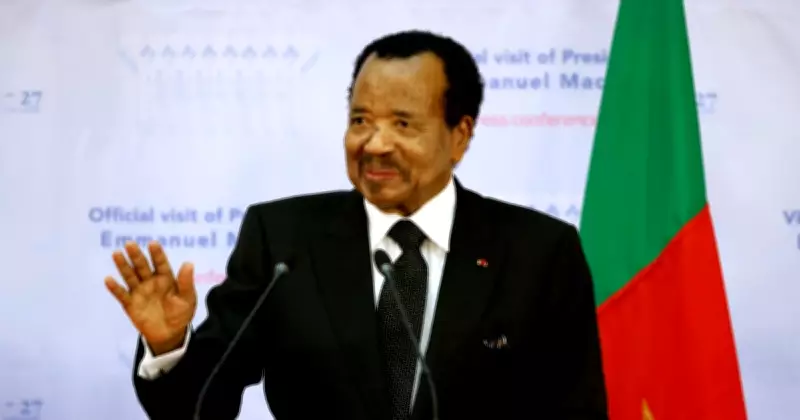
President Biya, aged 93, has led Cameroon since 1982 and holds the distinction of being the world's oldest serving head of state. Notably, public discussion regarding his health is prohibited in the country, adding to the sensitivity of this constitutional revision.
Key Provisions of the Amendment
According to the legislation, which Reuters has reviewed, the vice president will be appointed and dismissed directly by the president. This appointed official will serve for the remainder of the president's seven-year term. However, the interim leader would face restrictions, including being barred from initiating constitutional changes or running in subsequent elections.
Prior to this amendment, Cameroon's constitution designated the Senate leader to temporarily assume power if the president died or became incapacitated, followed by a prompt election. This new provision marks a significant shift in the nation's succession planning.
Opposition Boycott and Criticism
The Social Democratic Front (SDF) party, which holds six parliamentary seats, boycotted the vote. The SDF had advocated for a different approach, pushing for the vice president to be jointly elected with the president rather than appointed. Additionally, the party sought constitutional provisions reflecting Cameroon's linguistic divide between English and French-speaking regions.
The SDF proposed that the nation's top two positions should be shared between these two communities, a practice that existed before 1972. SDF chairman Joshua Osih expressed disappointment, stating, "This constitutional reform could have been a moment of political courage, but it is nothing less than a missed historic opportunity."
Implications for Cameroon's Political Landscape
This constitutional change introduces a new layer of governance in Cameroon, potentially stabilizing the transition of power while centralizing appointment authority with the president. Critics argue it consolidates power within the ruling party, whereas supporters view it as a necessary update to ensure continuity.
The amendment's passage underscores the ongoing political dynamics in Cameroon, where long-standing leadership faces evolving constitutional frameworks. As the country navigates these changes, the role of the vice president will be closely watched by both domestic and international observers.