Chaos Erupts in Nigerian House of Representatives Over Plan to Cancel Electoral Bill
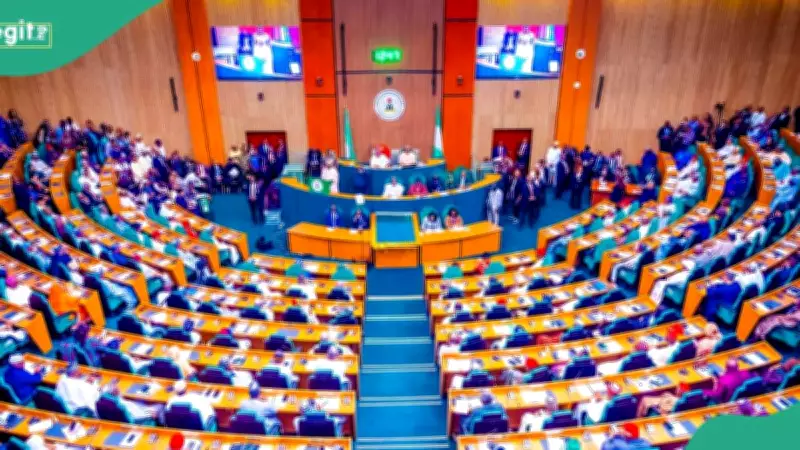
A tense and chaotic scene unfolded on Tuesday, February 17, 2026, in the House of Representatives following a controversial motion seeking to reverse the passage of the Electoral Act (Amendment) Bill. The motion triggered sharp disagreements and heated exchanges among lawmakers during plenary, bringing proceedings to a near standstill.
Motion to Reverse Electoral Bill Sparks Immediate Controversy
The motion was introduced by the Chairman of the House Committee on Rules and Business, Francis Waive, who urged the Green Chamber to rescind its earlier approval of the amendment bill passed on December 23, 2025. The contentious bill had provided for the mandatory real-time electronic transmission of election results to the Independent National Electoral Commission's Result Viewing Portal (IReV), a reform widely regarded as a major step towards improving transparency and credibility in Nigeria's electoral process.
Supporters of the provision argue that it strengthens public confidence in elections by ensuring immediate transmission of results, while critics have raised concerns about its implementation challenges and potential legal implications. The electronic transmission clause has remained one of the most divisive electoral reforms in recent years, with deep political divisions over its implementation.
Voice Vote Ruling Ignites Protests and Heated Exchanges
Tensions escalated dramatically when Speaker Tajudeen Abbas subjected the motion to a voice vote. Although many lawmakers believed the opposition voices were louder than those in support, the Speaker ruled in favour of the motion to reverse the electoral bill. This ruling immediately sparked loud protests across the chamber, with several members shouting objections and demanding a clearer, more transparent determination of the vote.
As tempers flared, lawmakers exchanged sharp words across the aisle, with accusations and counter-accusations flying between supporters and opponents of the electoral reform. The heated exchanges disrupted normal parliamentary proceedings, creating a rowdy atmosphere that proved difficult to control despite repeated attempts to restore order.
Closed-Door Session Attempts to Resolve Deepening Crisis
In an attempt to restore order and address the deepening crisis, Speaker Abbas proposed that the House move into an executive session. The suggestion was initially resisted by some members who preferred to continue the debate publicly, further heightening the tension on the floor. Despite this resistance, the Speaker eventually directed that the House proceed into a closed-door session to address the matter privately.
The development has intensified internal disagreements within the House, particularly over the provision on real-time electronic transmission of results. Political observers note that the outcome of the closed-door deliberations could have significant implications for Nigeria's electoral framework ahead of future elections, potentially affecting the credibility and transparency of the electoral process.
Broader Implications for Nigeria's Electoral System
The chaotic scenes in the House of Representatives highlight the deep political divisions surrounding electoral reform in Nigeria. The real-time transmission provision, which was seen as a major achievement in the December 2025 amendment, now faces uncertain prospects as lawmakers grapple with implementation concerns and political calculations.
The closed-door session represents an attempt to find common ground on this sensitive issue, but the fundamental disagreements between supporters and opponents of electronic transmission suggest that reaching consensus will be challenging. The situation underscores the ongoing struggle to modernize Nigeria's electoral system while balancing competing political interests and practical implementation considerations.