Cubana Chiefpriest Clarifies Political Stance Amid Nnamdi Kanu Controversy
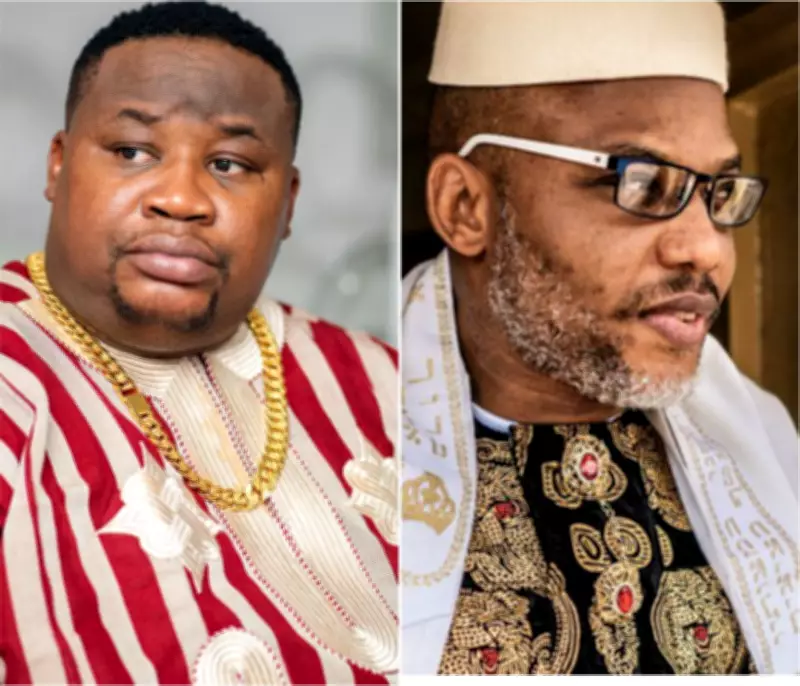
Prominent Nigerian socialite Cubana Chiefpriest has publicly addressed recent criticism regarding his political affiliations, particularly his support for the All Progressives Congress (APC) despite the continued incarceration of Nnamdi Kanu, the leader of the Indigenous People of Biafra (IPOB). In a detailed response shared on his social media platforms, Chiefpriest explained that he sees no viable path to assist Kanu if he remains aligned with opposition parties, emphasizing his long-standing membership in the APC.
Background of the Controversy
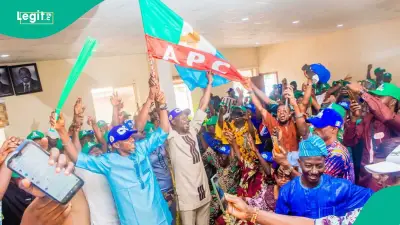
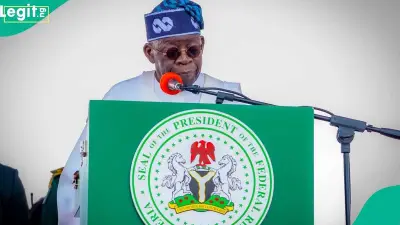
The controversy erupted after social critic Very Dark Man (VDM) called out Cubana Chiefpriest for his involvement with a political support group campaigning for President Bola Tinubu's re-election in the upcoming 2027 general elections. VDM shared a video showing Chiefpriest meeting with Imo State Governor Hope Uzodinma, a key APC figure, questioning the socialite's consistency given his previous statements about Kanu's release.
VDM highlighted a post from November 2025 in which Cubana Chiefpriest directly addressed President Tinubu, warning that the APC would struggle to secure more than 10,000 votes in the South East if Nnamdi Kanu remained in prison. In that post, Chiefpriest described Kanu as the Supreme Leader of the South East and argued that only his release could guarantee electoral support from the region for Tinubu in 2027.
Cubana Chiefpriest's Response and Political Ambitions
In his reaction, Cubana Chiefpriest defended his position by stating that he has always been a member of the APC, even though he campaigned for Peter Obi during the 2023 general election. He clarified that his support for Tinubu's re-election in 2027 is a strategic move, and he cannot effectively advocate for Kanu's release from outside the ruling party. Chiefpriest emphasized that working within the APC framework offers a better chance to influence decisions regarding Kanu's case, rather than opposing from the sidelines.
Furthermore, Cubana Chiefpriest revealed his own political aspirations, announcing plans to run for a seat in the House of Representatives. This move underscores his commitment to engaging directly in the political process, potentially to address issues like Kanu's detention from within the government. He argued that South East leaders, including himself, have not abandoned calls for Kanu's release but are pursuing more pragmatic approaches to achieve their goals.
Broader Implications for South East Politics
This development highlights the complex dynamics of political loyalty and regional advocacy in Nigeria, particularly in the South East. Cubana Chiefpriest's stance reflects a growing trend among some influencers who believe that aligning with the ruling party can yield more tangible results than opposition activism. However, critics like VDM continue to question the sincerity of such moves, accusing figures like Chiefpriest of prioritizing personal gains over principled stands.
As the 2027 elections approach, the issue of Nnamdi Kanu's incarceration is likely to remain a pivotal topic in South East politics, influencing voter sentiment and political alliances. Cubana Chiefpriest's comments add a new layer to the ongoing debate about how best to secure Kanu's release and advance the interests of the region within Nigeria's federal structure.