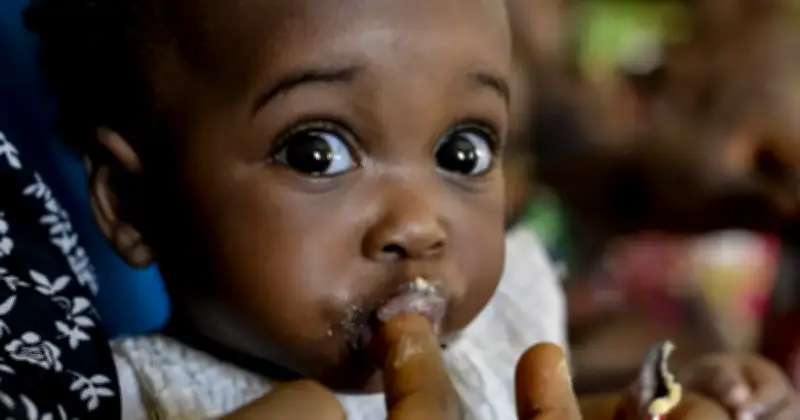
On the Day of the African Child, Nigeria reflects on the urgent need to secure quality education, proper nutrition, and safety from violence for its over 100 million children. As Africa marks this day, millions of Nigerian children continue to face challenges including malnutrition, lack of access to education, and various forms of abuse, highlighting the urgent need for stronger protection and support.
Malnutrition Crisis
Nigeria has one of the world's highest numbers of malnourished children, with 32 per cent of children under five affected by stunting. An estimated two million children suffer from severe acute malnutrition, a life-threatening condition that weakens immunity and increases the risk of death. Malnutrition is linked to nearly 45 per cent of deaths among children under five in the country. Poor nutrition affects physical growth, brain development, school performance, and future earning potential. For many families struggling with poverty and rising food prices, providing nutritious meals has become increasingly difficult.
Education Barriers
UNICEF estimates that about 10.5 million children between the ages of five and 14 are not attending school, giving Nigeria one of the largest out-of-school populations in the world. One in every five out-of-school children globally is Nigerian. Factors contributing to this crisis include poverty, child labour, insecurity, early marriage, and inadequate school infrastructure. In parts of northern Nigeria, school attendance remains particularly low, while attacks on schools and student abductions have further discouraged parents from sending their children to class. Even for enrolled children, overcrowded classrooms, shortages of qualified teachers, and limited learning resources affect learning outcomes.
Violence Against Children
Violence against children remains widespread but underreported. UNICEF reports that six out of every 10 Nigerian children experience some form of violence before the age of 18, including physical, emotional, and sexual abuse, often perpetrated by people known to the child. One in four girls and one in 10 boys have experienced sexual violence before adulthood, yet only a small fraction of victims receive support. Domestic violence also affects countless children, exposing them to emotional trauma and long-term psychological harm. Children who experience violence are more likely to suffer mental health challenges, struggle academically, and face difficulties later in life.
Call to Action
The Day of the African Child serves as a reminder that children are citizens with rights that must be protected today. Ensuring that every Nigerian child has access to nutritious food, quality education, healthcare, and protection from abuse requires sustained commitment from governments, communities, parents, and development partners. Nigeria is home to more than 100 million children and adolescents, representing nearly half of the country's population. Investing in their well-being is essential for the nation's future development and prosperity. As Africa commemorates this year's Day of the African Child, the message is clear: every child deserves the opportunity to grow up healthy, safe, educated, and empowered to reach their full potential.