The Unraveling of a Political Alliance: El-Rufai and Ribadu's Bitter Feud
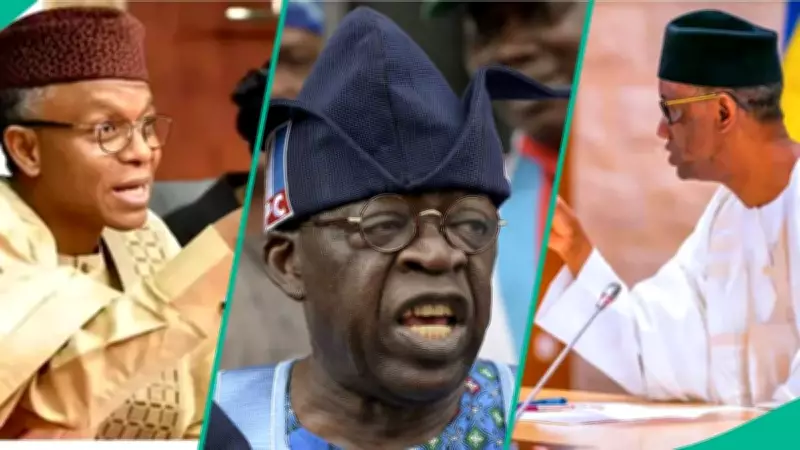
What began as a public display of political unity at the 2022 Kaduna Investment Summit has dramatically deteriorated into one of the most significant internal conflicts within President Bola Ahmed Tinubu's administration. The once-close relationship between former Kaduna State Governor Nasir El-Rufai and National Security Adviser Nuhu Ribadu has completely fractured, creating deep political divisions while President Tinubu maintains a conspicuous silence on the matter.
From Public Camaraderie to Political Rivalry
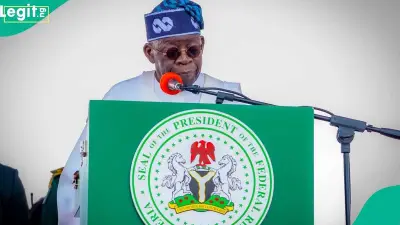
During the October 2022 summit, then president-elect Tinubu publicly pressured El-Rufai to commit to serving in his incoming administration. Tinubu reportedly declared he would not leave the podium until El-Rufai agreed to remain in Nigeria and join his government. The former Kaduna governor eventually ascended the stage, pledged his commitment, and left the event arm-in-arm with Tinubu, symbolizing what appeared to be a strong political partnership between a future president and his trusted lieutenant.
That image of unity has since completely dissolved. Within three years, El-Rufai has transformed into one of the most vocal critics of the very government he helped establish, publicly describing the Tinubu administration as a failure and severing ties with the ruling party he once helped build. His return to Nigeria following time abroad was immediately overshadowed by an airport security incident that his supporters characterized as an attempted detention, while others framed it as routine security procedure.
Allegations and Accusations Deepen the Divide
Central to the political fallout is El-Rufai's claim that his former close associate, Ribadu, now serving as National Security Adviser, orchestrated the security action taken against him. El-Rufai maintains that intercepted communications pointed to directives issued by the NSA's office, an assertion that has drawn legal scrutiny and raised questions about the source of such sensitive information.
The former governor has escalated his accusations, alleging that Ribadu has abused his office to neutralize perceived political rivals, including making claims about the importation of toxic substances for political purposes. These serious allegations, which Ribadu has not publicly addressed, have intensified speculation about an internal power struggle ahead of future elections and created significant tension within the administration.
Tinubu's Appointments Widen the Political Chasm
The tension between the two men became particularly evident following Tinubu's assumption of office. Ribadu received appointment as National Security Adviser in June 2023, while weeks later, El-Rufai's nomination for a ministerial role stalled over unresolved security clearance issues—clearance that falls within the jurisdiction of the NSA's office.
El-Rufai has since privately and publicly blamed Ribadu for his exclusion from the cabinet, framing it as a personal betrayal by someone with whom he once shared both professional and personal bonds. This exclusion has become a focal point of their deteriorating relationship and symbolizes the broader political divisions within the administration.
A History of Political Controversies
Political observers note that El-Rufai's career has long been marked by controversy and shifting alliances. From his tenure as Minister of the Federal Capital Territory, where he oversaw mass demolitions in Abuja, to his changing relationships with political figures including Muhammadu Buhari and Atiku Abubakar, he has repeatedly transitioned from critic to ally and back again.
Similarly, Ribadu's public service record, particularly during his time as chairman of the Economic and Financial Crimes Commission, has drawn both praise and criticism, with longstanding accusations that anti-corruption efforts under his leadership were selectively applied against political opponents.
The Presidential Silence and Its Implications
Despite the gravity of the allegations and their potential implications for national security and governance, President Tinubu has refrained from making any public comment on the dispute. Political analysts interpret this silence as either strategic restraint or tacit alignment, particularly given Ribadu's continued centrality within the administration's security architecture.
Hamma Hayatu, a political analyst, warns that while the feud may appear personal between two individuals, its consequences extend far beyond them, potentially affecting party unity, governance effectiveness, and national security coordination. The silence from the presidency has allowed the conflict to fester and grow more complex, with recent developments including reported visits by anti-corruption agencies to El-Rufai's residence adding further layers to the ongoing political drama.
The deepening rift between El-Rufai and Ribadu represents more than just personal animosity—it reflects broader tensions within Nigeria's political landscape and raises questions about internal party dynamics, presidential leadership, and the stability of governance structures as the country navigates complex political and security challenges.