House of Representatives to Convene Emergency Plenary on Tuesday Over 2027 Election Schedule
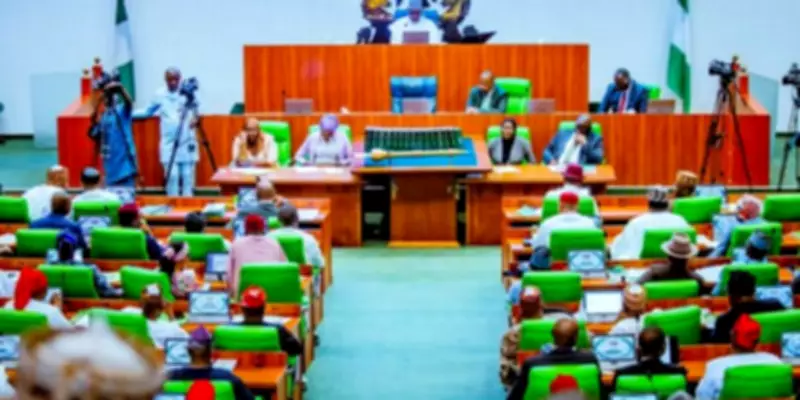
Members of the House of Representatives are scheduled to hold an emergency plenary session on Tuesday to deliberate on the recently announced 2027 general election timetable by the Independent National Electoral Commission (INEC). This urgent legislative gathering follows growing concerns about the timing of the elections coinciding with major religious observances across Nigeria.
Official Notification and Legislative Response
In a formal statement released on Friday night, February 13, House spokesperson Akin Rotimi confirmed that lawmakers received notification of the emergency sitting through an internal memorandum from the office of the Speaker. Rotimi emphasized that the session will specifically address the election dates published by INEC earlier that same Friday.
The electoral commission has scheduled the presidential and National Assembly elections for February 20, 2027, while governorship and state houses of assembly elections are planned for March 6, 2027. This announcement has triggered immediate legislative scrutiny due to its potential national implications.
Religious Fasting Periods Create Scheduling Conflict
The proposed election dates present a significant challenge as they overlap with important religious fasting periods for both Muslim and Christian communities throughout Nigeria. According to religious calendars, Ramadan is projected to commence on February 8, 2027, and conclude around March 10, while the Christian Lenten season is expected to begin on February 10 and continue through March 27, culminating with Easter celebrations on March 28.
With both major faiths observing fasting traditions during the election period, political analysts and community leaders have expressed serious concerns that this overlap could substantially impact voter mobilization efforts, citizen participation levels, and overall electoral turnout. The potential for reduced voter engagement during these spiritually significant periods has prompted the House's urgent intervention.
Constitutional Examination and Legislative Action
Rotimi clarified that the emergency plenary will enable lawmakers to thoroughly examine the constitutional dimensions and broader national implications of INEC's timetable. The session aims to determine appropriate legislative measures that align with the National Assembly's constitutional responsibilities regarding electoral matters.
"The emergency sitting reflects the resolve of the House to respond promptly to issues with far-reaching implications for the nation's democratic process," the official statement declared. "Deliberations will focus on relevant legislative matters connected to the announcement, in line with the constitutional responsibilities of the National Assembly."
The House spokesperson further assured that all legislative business related to this matter would be addressed expeditiously, demonstrating the legislature's commitment to timely action on critical national issues.
Commitment to Democratic Strengthening
Rotimi reiterated the House's dedication to strengthening Nigeria's democratic institutions through what he described as "responsive and responsible lawmaking" that serves the best interests of all Nigerian citizens. This emergency session represents a proactive approach to addressing potential electoral challenges before they materialize, ensuring that Nigeria's democratic processes remain inclusive and accessible to all eligible voters regardless of religious observance.
The upcoming plenary discussion is expected to consider various legislative options, including potential recommendations to INEC regarding schedule adjustments, voter education initiatives during religious periods, and measures to ensure maximum participation in the electoral process. Lawmakers from across political divides are anticipated to contribute perspectives during what promises to be a significant parliamentary debate with implications for Nigeria's electoral future.