Former ADC Chairman Issues On-Air Apology Following Heated Exchange with Journalist
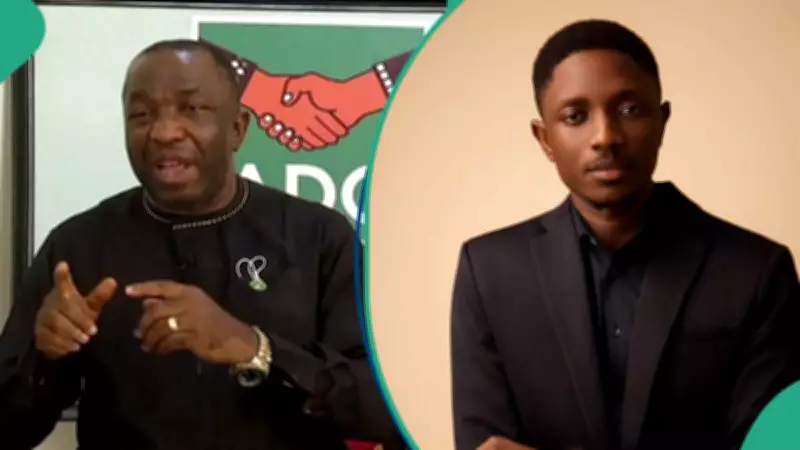
In a dramatic turn of events on national television, former African Democratic Congress chairman Ralph Nwosu publicly apologized to Channels Television anchor Kayode OkikiOlu after making unsubstantiated accusations during a live broadcast. The confrontation unfolded during a morning program where Nwosu was questioned about his previous claims regarding political negotiations.
Tense Interview Erupts Over Ministerial Offer Claims
The controversy stems from Nwosu's earlier allegations that unnamed political figures had offered him three ministerial positions in an attempt to weaken a coalition ahead of the 2027 elections. During the interview, anchor Kayode OkikiOlu pressed Nwosu to identify those behind the alleged offers, leading to a heated exchange that captivated viewers across Nigeria.
"When I was asked to provide specific names, I became defensive and made an unfortunate accusation," Nwosu explained during his apology. "I claimed without evidence that the anchor was receiving questions via text message from external sources, which was completely unfounded."
Unsubstantiated Accusation and Swift Retraction
The interview took a contentious turn when Nwosu shifted focus from the original question about ministerial offers to directly challenging the journalist's integrity. He alleged that OkikiOlu was acting on instructions from unnamed interests, claiming the questions were prompted externally rather than being part of normal journalistic inquiry.
OkikiOlu maintained professional composure throughout the exchange, repeatedly asking Nwosu to provide proof for his accusations. When pressed for evidence, Nwosu was unable to substantiate his claims, leading to an awkward silence that highlighted the baseless nature of his allegations.
The anchor responded firmly, "As a journalist, I have a responsibility to ask difficult questions, especially when public figures make serious allegations about political negotiations. If you cannot provide names to support your claims, that's one matter, but accusing me of acting on external instructions requires evidence."
Public Apology and Political Context
Recognizing the gravity of his unfounded accusation, Nwosu offered a direct apology to OkikiOlu during the same broadcast. "I want to sincerely apologize to Kayode and Channels Television," he stated. "My frustration with the line of questioning led me to make an inappropriate comment that I cannot support with evidence. I retract that statement completely."
The incident occurs against the backdrop of significant political realignments within Nigeria's opposition landscape. The African Democratic Congress has been positioning itself as a potential coalition partner ahead of the 2027 elections, with several high-profile politicians including former Labour Party presidential candidate Peter Obi joining its ranks in recent months.
Broader Implications for Political Discourse
This televised confrontation highlights several important issues in Nigerian political communication:
- The challenge journalists face when pressing politicians for specific details about alleged negotiations
- The tendency for political figures to deflect difficult questions with counter-accusations
- The importance of maintaining professional standards during heated exchanges on live television
- The need for evidence-based political discourse in Nigeria's democratic process
Political analysts suggest that such public confrontations, while dramatic, can serve as important moments of accountability when handled properly. The fact that Nwosu retracted his accusation and apologized on air demonstrates a level of responsibility that some observers say is often lacking in political exchanges.
As Nigeria approaches another election cycle, incidents like this underscore the critical role of media in holding political figures accountable while also highlighting the pressures journalists face in performing their watchdog function. The public apology, while resolving the immediate conflict, leaves unanswered questions about the original claims of ministerial offers that sparked the controversy.