The road to the highest office in the land is rarely a straight line. For many of the world's most powerful figures, their journeys began not in grand halls of power, but in the modest, everyday professions that shaped their understanding of the people they would later lead.
From Streets and Stations to the Summit of Power
Across continents, the personal histories of presidents and prime ministers reveal a tapestry of humble beginnings. Nicolás Maduro of Venezuela, whose tenure concluded after recent geopolitical events, first navigated the streets of Caracas as a bus driver. This experience preceded his deep dive into trade unionism and the political arena that would define his career.
In a similar vein, India's Prime Minister Narendra Modi has turned his early life selling tea at a railway station into a cornerstone of his political identity. Now serving his third term, Modi often references this background as India cements its status as a global economic force.
A Global Tapestry of Unlikely Beginnings
The trend of unconventional pre-political careers is truly worldwide. In the United States, paths diverged: Donald Trump built a real estate empire, Joe Biden took on maintenance work, and Barack Obama once served ice cream. Africa boasts its own unique stories. Liberia's former President George Weah transitioned from international football stardom to public service, while South Africa's iconic Nelson Mandela first practiced law.
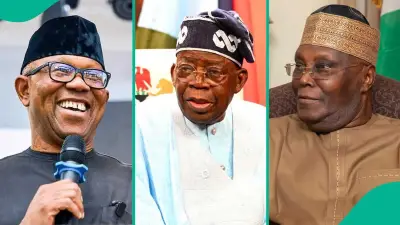
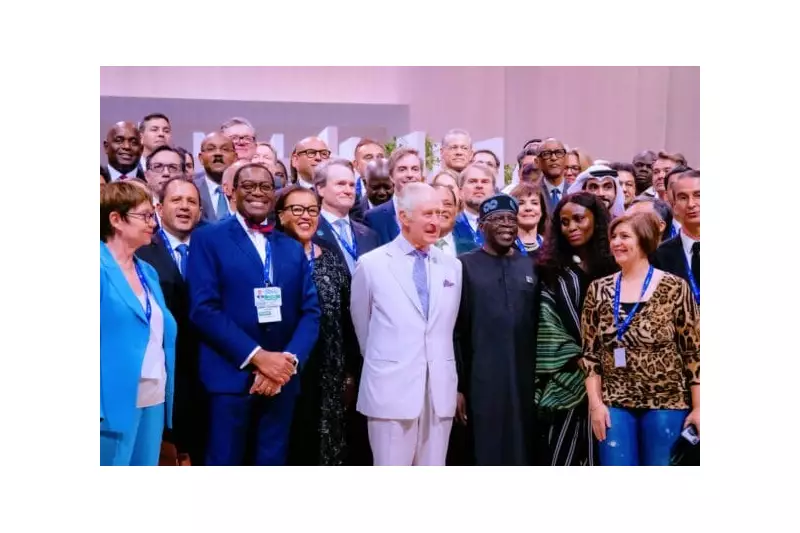
For Nigeria, President Bola Tinubu brought financial expertise to the table, having trained and worked as an accountant before entering the political sphere. This professional background continues to inform his approach to governance.
European leaders also have diverse resumes. Germany's former Chancellor Angela Merkel was a research chemist, France's ex-President Nicolas Sarkozy worked as a cleaner, and the UK's Boris Johnson started out as a journalist—a career also shared by NATO's Jens Stoltenberg of Norway.
Comedians, Soldiers, and Farmers: The Breadth of Experience
Eastern Europe presents striking contrasts. Russia's Vladimir Putin served in the Soviet KGB, whereas Ukraine's Volodymyr Zelenskyy was a comedian and actor, a past that has garnered significant attention during the ongoing conflict. In Asia, China's President Xi Jinping spent formative years working as a farmer during the Cultural Revolution, an experience highlighted in official narratives.
The list of past professions is remarkably varied:
- Recep Tayyip Erdogan (Turkey) – Lemonade seller
- Justin Trudeau (Canada) – Nightclub bouncer
- Pope Francis (Vatican) – Nightclub bouncer
- Benjamin Netanyahu (Israel) – Soldier
- Johanna Sigurdardottir (Iceland) – Flight attendant
- Dmitry Medvedev (Russia) – Street cleaner
These stories, from Ellen Johnson Sirleaf working as a drugstore clerk in Liberia to Shinzo Abe in a Japanese steel plant, underscore a powerful theme: leadership can emerge from any walk of life. They remind citizens and aspiring leaders alike that a deep connection to the everyday struggles and professions of ordinary people can be a profound asset in governance, offering a unique perspective often missing from traditional political pedigrees.