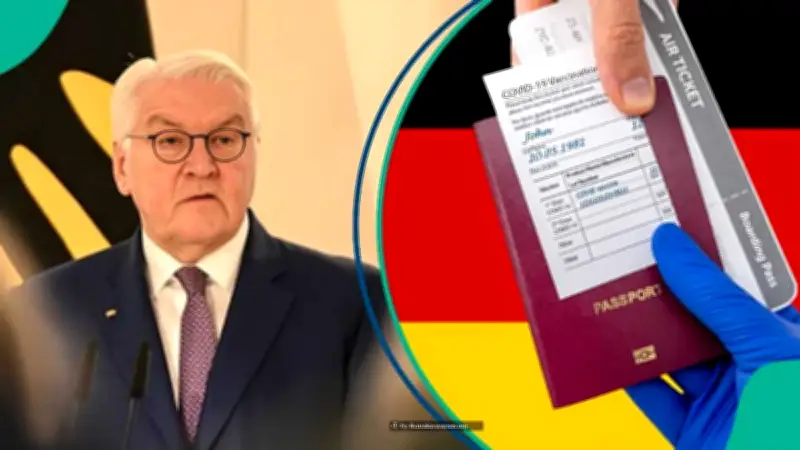
Germany has clarified its visa-free policy for citizens of two African countries, specifying the exact duration of stay and issuing a key warning. The German government announced that passport holders from Mauritius and Seychelles can enter and remain in the country without a visa for up to 90 days within any 180-day period. However, the government emphasized that these visitors must not engage in any form of gainful employment during their stay.
Eligible African Countries
The two African countries whose citizens enjoy visa-free access to Germany are Mauritius and Seychelles. This policy applies to holders of ordinary passports from these nations. The information is published on the official German government website, which outlines the conditions for visa-free entry.
Duration of Stay and Warning
According to the German government, citizens of Mauritius and Seychelles can stay in Germany for a maximum of 90 days within any 180-day period. The government also issued a clear warning: visa-free visitors are strictly prohibited from taking up any employment, whether paid or unpaid, during their time in the country. The official statement reads: "Persons who do not require a visa to enter Germany (holders of passports from the countries marked 'no' on the list) may, as a general rule, not remain on German territory for more than 90 days in any 180-day period. Nor may they take up gainful employment whilst here."
Similar Policies in Other European Countries
Germany's visa-free policy aligns with similar measures adopted by other European nations. Denmark, for instance, also allows visa-free entry only for citizens of Mauritius and Seychelles among African countries. Belgium has likewise published a list confirming that only Mauritius and Seychelles qualify for its visa-free entry policy, while citizens of other African nations are still required to obtain a visa before traveling.
These policies highlight the limited visa-free access for African countries to European Schengen Area states, with Mauritius and Seychelles being the only two consistently granted such privileges. The rules are part of broader immigration regulations aimed at managing short-term stays and preventing unauthorized employment.