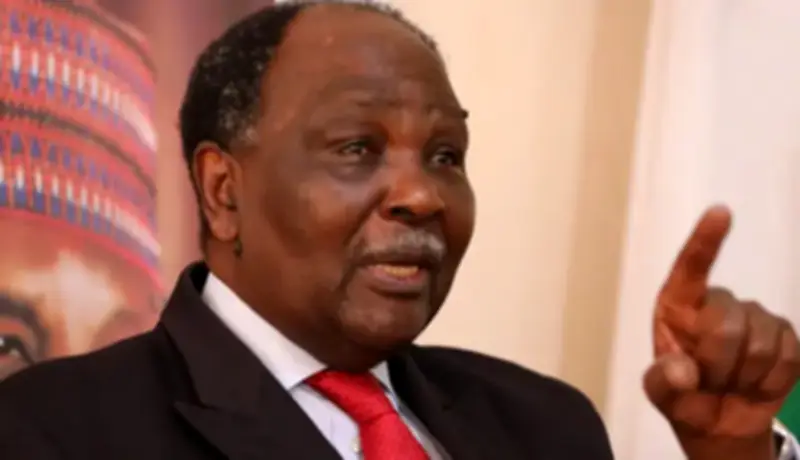
Former Military Head of State, Yakubu Gowon, has clarified that Igbos were compensated for their losses after the Biafra civil war, countering longstanding criticisms against the late Obafemi Awolowo. In his memoir, 'My Life of Duty and Allegiance,' Gowon revealed that Igbos with funds in Nigerian banks received their full deposits plus accrued interest, contrary to claims that they were shortchanged.
Context of the Biafra Civil War
The Biafra civil war, which began on July 6, 1967, and ended on January 15, 1970, was a pivotal conflict in Nigeria's history. During this period, Gowon served as Head of State, while Awolowo held the position of Federal Finance Commissioner. The war resulted in significant loss of life and property, leading to ongoing debates about post-war reconciliation and compensation.
Gowon's Defense of Awolowo
Gowon dismissed the unfair blame placed on Awolowo by those who accused him of giving them 20 pounds, despite having millions in bank accounts before the war. He explained that the policy on controlling money after the war was a collective decision by the Federal Government, not a unilateral action by Awolowo.
According to Gowon, the Central Bank established a panel to examine the effects of converting the Biafran pound into another currency. However, it became clear that this was a challenging task because the Biafran currency was never officially recognized as legal tender in Nigeria. The sheer volume of Biafran pounds in circulation made it impossible to exchange them at par with the Nigerian currency without risking economic collapse.
Economic Policy Decisions
Economic specialists recommended that the Federal Government set a flat payment of around 20 Nigerian pounds for every adult from Biafra, regardless of the amount of Biafran money they brought back. Gowon noted, "We agreed to the proposal and made it our official policy, especially because we couldn’t figure out the small and large details needed to print the Biafran currency."
However, he emphasized that those who had proof of deposits in Nigerian banks received their full amounts plus interest, all in Nigerian currency. "It would have been a bad idea to choose a different path," Gowon stated, defending the Federal Government's approach.
Impact and Legacy
The compensation policy remains a contentious issue in Nigeria, with many Igbos feeling that the 20-pound payment was inadequate. Gowon's memoir provides a detailed account of the decision-making process, aiming to set the record straight on Awolowo's role and the Federal Government's intentions.
By highlighting the complexities of currency conversion and the need to stabilize the economy, Gowon seeks to contextualize the controversial policy. His defense of Awolowo underscores the broader challenges of post-war reconstruction in Nigeria, a topic that continues to resonate in contemporary discussions about national unity and justice.