Citizens' Movement and Analysts Push for Tinubu's Continuity to Complete Reforms
In a significant effort to enhance public understanding of government policies, the Renewed Hope Alive Movement (RHAM) has initiated a comprehensive nationwide mobilisation project. This initiative aims to bridge the communication divide between the Federal Government and grassroots communities across Nigeria.
RHAM's Strategy for Grassroots Engagement
The Convener of RHAM, Keyode Tejuosho, described the group as a citizen-driven movement dedicated to providing clarity through verified data and fact-based narratives. "Unlike traditional political groups that focus on material inducements, RHAM emphasises intellectual empowerment and civic participation," he stated during the project's unveiling.
Tejuosho outlined a robust organisational structure designed to penetrate every corner of the country. The movement has already established:
- 37 state coordinators
- 774 local council coordinators
- Over 8,000 representatives across all wards
To ensure effective communication, RHAM plans to deliver its messages in local languages, tailored to the specific preferences of each community. The group will also collaborate with the private sector to track feedback and measure impact.
Deputy National Convener Olufemi Bashorun announced that the project will commence its zonal launches in April, marking the beginning of a sustained outreach effort.
Stakeholders Advocate for Presidential Continuity
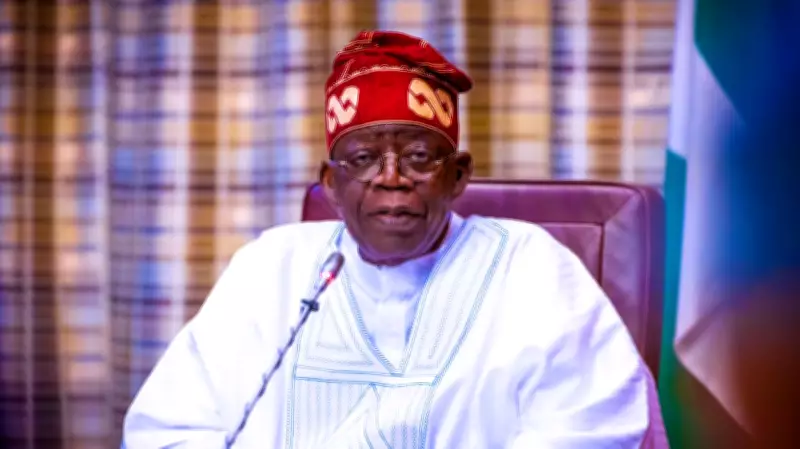
Concurrently, some stakeholders have voiced strong support for President Bola Ahmed Tinubu, urging that he be allowed to complete his reform agenda beyond a single term. Political strategist Abubakar Abdullahi Kuso, in a statement from Minna, argued that contesting against the President in 2027 could disrupt Nigeria's economic recovery and undermine long-term development initiatives already in progress.
Kuso described Tinubu's administration as one that inherited significant economic challenges in 2023. He noted that key reforms, such as the removal of fuel subsidy and the unification of foreign exchange rates, are beginning to yield measurable results. "Changing leadership at a critical recovery phase could reverse gains and create policy inconsistencies that Nigeria can ill afford," he warned.
The analyst highlighted improving economic indicators, including projected Gross Domestic Product (GDP) growth and rising foreign reserves, as signs of progress under the current administration.
Risks of Leadership Transition
Kuso further cautioned that a leadership transition midway through major reforms could stall flagship projects, including infrastructure development and social intervention programmes. He emphasised that initiatives such as student loan schemes and consumer credit systems require sustained implementation over a full administrative cycle to achieve meaningful impact.
Additionally, Kuso pointed out that interrupting Tinubu's tenure after one term could raise concerns about fairness within Nigeria's informal power rotation arrangement. He argued that continuity could help preserve political stability and strengthen trust among the country's diverse regions.
The combined efforts of RHAM's educational outreach and stakeholder advocacy underscore a growing call for stability and continuity in Nigeria's governance. As the nation navigates complex economic reforms, these voices highlight the importance of sustained leadership to secure long-term development goals.