FCCPC Must Act Against Digital Theft of Nigerian Content by AI Giants
The digital economy, once hailed as a frontier of opportunity, has morphed into a modern enclosure movement for Nigeria's media ecosystem. Creative labour, the bedrock of journalism, is being systematically devalued as global tech giants harvest intellectual commons without compensation. This exploitation demands immediate regulatory intervention from the Federal Competitive and Consumer Protection Commission (FCCPC) to safeguard the nation's press.
The Historical Context of Value Creation
Economic theories from Adam Smith's The Wealth of Nations to Karl Marx's focus on labour have long emphasised productive work as the source of prosperity. Smith's "invisible hand" of the market was meant to incentivise innovation, but in today's AI-driven landscape, it has become a sleight of hand that benefits Silicon Valley at the expense of Nigerian creators. The four pillars of production—land, labour, capital, and enterprise—outlined in O.A. Lawal's O’ Level Economics of West Africa are being perverted in the digital age.
The AI Gold Rush and Nigerian Exploitation
As of early 2026, AI-driven wealth creation is concentrated overwhelmingly in Silicon Valley. Top tech executives like Elon Musk, with a net worth of $839 billion, and Google co-founders Larry Page and Sergey Brin, with $257 billion and $237 billion respectively, exemplify this disparity. Meanwhile, Nigerian publishers struggle to monetise their content, with none likely reaching billion-dollar valuations. These firms scrape decades of Nigerian reportage to train AI systems that mimic cultural cadences, summarise investigative journalism, and answer queries about local politics, capturing all value while leaving newsrooms with mere crumbs.
The Cost of Truth-Telling in NigeriaNigerian journalists have long served as the nation's primary witnesses, documenting events from the Niger Delta to volatile northern borders, often at great personal and economic cost. In an era of rampant misinformation and deepfakes, producing trusted journalism is more expensive than ever. Yet, Big Tech and AI firms transform this labour into mind-boggling wealth without sharing revenues, effectively starving the sources they depend on for accuracy.
The Imperative for Regulatory Action
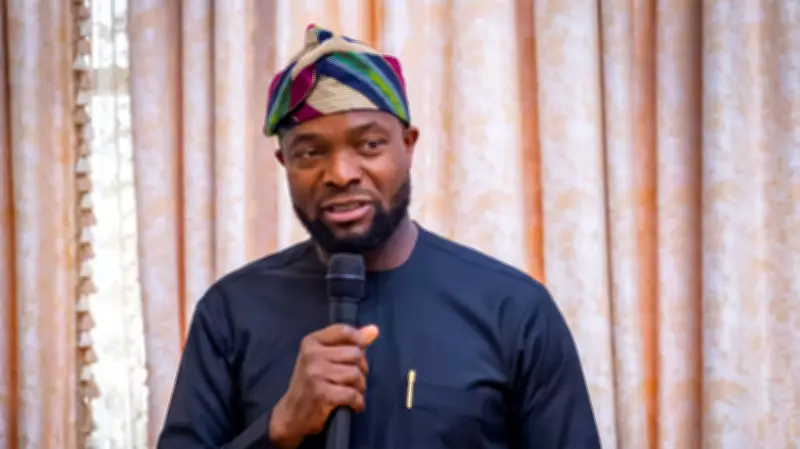
The FCCPC, under Tunji Bello's leadership, must exercise its powers to enforce a fair revenue-sharing model. This is not merely about corporate profits; it is about the survival of the Nigerian press. If newsrooms collapse due to an inability to monetise their work, AI models will be forced to "hallucinate" from a vacuum of real-time facts, undermining public trust and democratic integrity.
Three Pillars for Equity- Transparent Licensing: Ensure clear agreements for AI use of Nigerian content.
- Usage Royalties: Mandate compensation for publishers based on AI utilisation.
- Algorithmic Transparency: Require disclosure of how content is sourced and used.
Countries like Australia, Canada, and South Africa have already implemented similar measures. Nigeria must follow suit, with the Ministry of Communications, Innovation and Digital Economy, led by Dr Bosun Tijani, providing regulatory muscle. Collective bargaining is essential, as individual media outlets cannot alone challenge Silicon Valley behemoths.
The Ethical and Economic Argument
The internet's "free and open" narrative is a convenient fiction for server owners. While information distribution should be accessible, the production of verified content requires labour, capital, and entrepreneurship—factors Smith identified 250 years ago. This must be compensated. Big Tech's brigandage must stop, with those profiting from creative content paying original creators. It is a basic tenet of a fair market: value for value, and respect for productive labour that enables human progress.
Innovation should not be fueled by theft. If tech giants wish to build truly intelligent systems, they must act ethically by acknowledging and reimbursing the human cost of their data sets. The time for action is now—to protect Nigeria's press and ensure a equitable digital future.