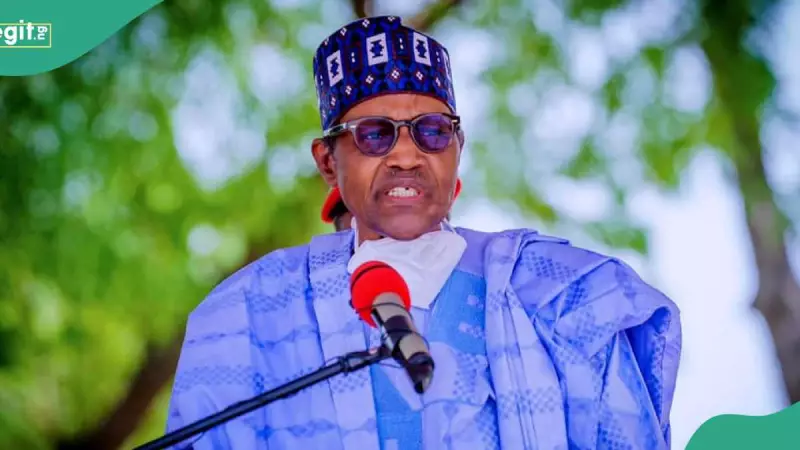
In a stunning revelation from a new biography, the powerful cabal that surrounded the late former President Muhammadu Buhari reportedly went as far as planting specific stories in newspapers for his reading pleasure. This insight comes from author Charles Omole, who penned the book 'From Soldier to Statesman: The Legacy of Muhammadu Buhari'.
The Overarching Influence of the Cabal
During an interview on Channels Television on Thursday, December 18, 2025, Omole, a lawyer, described the cabal within Buhari's administration as "overarching." He explained that one of Buhari's well-known traits was his love for reading newspapers, a habit dating back to his early days. According to Omole, the cabal exploited this habit.
"There were reports that the cabals went to the extent of creating their own newspaper. They would plant stories that they want him to read," Omole stated, as reported by The Cable. This manipulation of information highlights the extent of the inner circle's control over what reached the president.
Cabals in Tinubu's Government: Force Multipliers or Rogue Elements?
Charles Omole also turned his attention to the current administration, identifying five distinct cabals within President Bola Ahmed Tinubu's government. He named them as the group loyal to Femi Gbajabiamila, the camps of Seyi Tinubu and Remi Tinubu, the principal private secretary's camp, and a geriatric camp headed by Tinubu himself.
Omole offered a nuanced view on the existence of cabals, suggesting they are "not necessarily a bad thing." He argued that if such groups share the president's interests and vision, they can act as a "force multiplier," helping to magnify and achieve presidential programmes more effectively.
"The problem comes when cabals have their own agenda," he cautioned, drawing a clear line between supportive inner circles and those operating with conflicting motives.
Daughter's Account Corroborates Control and Secrecy
The book also features corroborating accounts from Buhari's family, adding personal weight to the narrative of a secluded presidency. Fatima Buhari, the late president's daughter, detailed how Tunde Sabiu, Buhari's nephew and private secretary, wielded extensive influence.
She alleged that Sabiu controlled access to her father, with ministers reportedly fearful of displeasing him. Furthermore, Fatima recounted a period when her father suspected his Aso Rock office was bugged with secret cameras and that he was under surveillance, leading to strained and cautious communication within the villa.
These revelations from Omole's biography paint a detailed picture of the complex power dynamics and information control that characterized the Buhari presidency, while also prompting scrutiny of the structure of influence within the current administration.