South Africa's Opposition Leader Julius Malema Sentenced to 5 Years in Prison
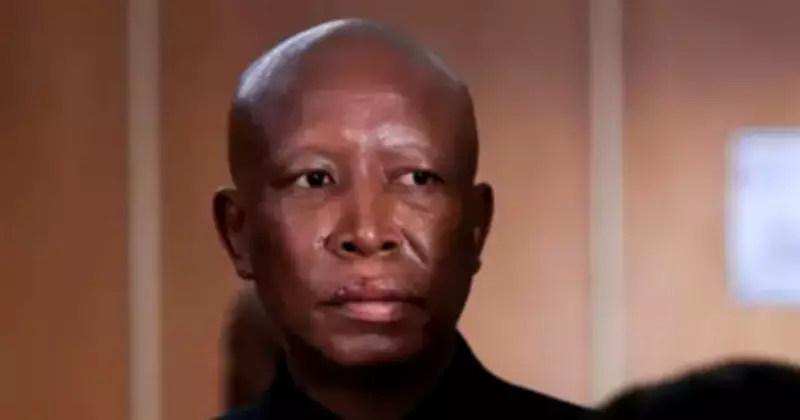
South African opposition leader Julius Malema has been sentenced to five years in prison after being found guilty of illegally firing a rifle during a political rally in 2018. This ruling could have significant implications for the country's opposition politics and may cost Malema his parliamentary seat.
Details of the Conviction and Sentencing
The conviction relates to an incident during a 2018 party rally in Mdantsane in the Eastern Cape, where Malema was filmed firing a semi-automatic rifle into the air in front of thousands of supporters. The court found him guilty on multiple firearm-related charges, including unlawful possession of a firearm and ammunition, discharging a firearm in a built-up area, and reckless endangerment.
During sentencing, the magistrate emphasized that public figures must respect the law and warned that celebratory gunfire could endanger lives. Prosecutors had pushed for a maximum 15-year sentence, arguing that leniency would set a dangerous precedent given Malema's influence as a national political figure.
Legal Arguments and Appeal Plans
Malema's legal team argued that the act was symbolic and caused no harm, urging the court to impose a fine instead of prison time. However, the court rejected this argument and imposed the five-year prison sentence.
The outspoken politician has already vowed to appeal both the conviction and the sentence, insisting the case is politically motivated. Malema maintains that the prosecution represents a targeted attack against his political movement.
Political Consequences
If the sentence is upheld on appeal, it could have major political consequences for Malema and his party. Under South African law, a prison sentence exceeding 12 months without the option of a fine can disqualify a lawmaker from holding a parliamentary seat, potentially forcing Malema out of the National Assembly.
This development comes at a critical time for Malema's Economic Freedom Fighters (EFF) party, which has been campaigning for radical economic reforms including land redistribution without compensation and nationalization of key industries.
Background and Political Context
Julius Malema, a former youth leader of the African National Congress before founding the EFF in 2013, has built a reputation as one of South Africa's most controversial political figures. His party has gained significant support among young voters and those dissatisfied with the current political establishment.
The case, which began nearly eight years after the rally incident, has drawn intense political debate in South Africa. Supporters describe the prosecution as a political attack aimed at silencing a vocal opposition leader, while critics say the ruling demonstrates that influential politicians are not above the law.
The sentencing has sparked widespread discussion about gun safety, political accountability, and the independence of South Africa's judicial system. As Malema prepares his appeal, the case continues to dominate political discourse in the country.