Kim Jong Un Claims Landslide Victory in North Korea's Parliamentary Election
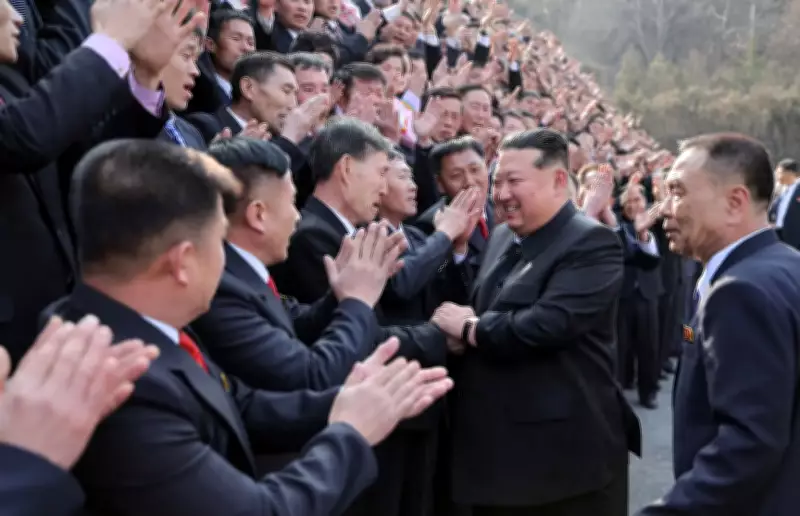
North Korean dictator Kim Jong Un has declared a sweeping victory in the country's latest parliamentary election, with his ruling party securing an overwhelming 99.93 percent of the votes. The election, widely criticized as a sham, saw all candidates approved under highly controlled circumstances, reinforcing Kim's unchallenged authority.
Dubious Voting Process and Overwhelming Results
According to reports from Yonhap News Agency, the Workers' Party of Korea and its allies won every one of the 687 seats in the Supreme People's Assembly (SPA). The voting process was marked by a lack of genuine choice, as all North Koreans aged 17 and above were required to either approve or reject a single candidate presented by Kim's party. The results showed 99.93 percent in favor, with a mere 0.07 percent against, while authorities reported a staggering 99.99 percent voter turnout, highlighting the tightly managed nature of the electoral system.
Major Political Reshuffle and New Faces
The election, held on March 15 to select deputies for the 15th Supreme People's Assembly, has led to significant internal changes. Over 70 percent of the newly elected deputies are fresh faces, indicating a major restructuring within North Korea's political framework. Experts suggest this reshuffle allows Kim Jong Un to purge older power centers and install loyalists, consolidating his control. Among the key figures is Jo Yong-won, a close aide to Kim, who is anticipated to assume a top parliamentary role.
In contrast, veteran leader Choe Ryong-hae has been removed from key positions and excluded from the new deputy list, reflecting shifting dynamics within the regime. Additionally, Kim's sister, Kim Yo-jong, and Foreign Minister Choe Son-hui have been elected as deputies, further strengthening the inner circle around the supreme leader.
Upcoming Parliamentary Session and Constitutional Revisions
The Supreme People's Assembly is set to convene soon in Pyongyang, where it will formally decide on key leadership positions. Kim Jong Un is expected to be reappointed as head of the State Affairs Commission, reaffirming his status as the country's supreme leader. More importantly, lawmakers are likely to discuss and potentially revise the constitution, with observers predicting a redefinition of relations with South Korea. There are indications that North Korea could formally declare South Korea as a hostile state, marking a significant shift in policy and regional tensions.
Kim Jong Un has pledged to make North Korea less backwards as he prepares to lead the SPA alongside his powerful younger sister. This election victory, while unsurprising given the authoritarian context, underscores the ongoing consolidation of power and the potential for dramatic changes in the country's political and constitutional landscape.